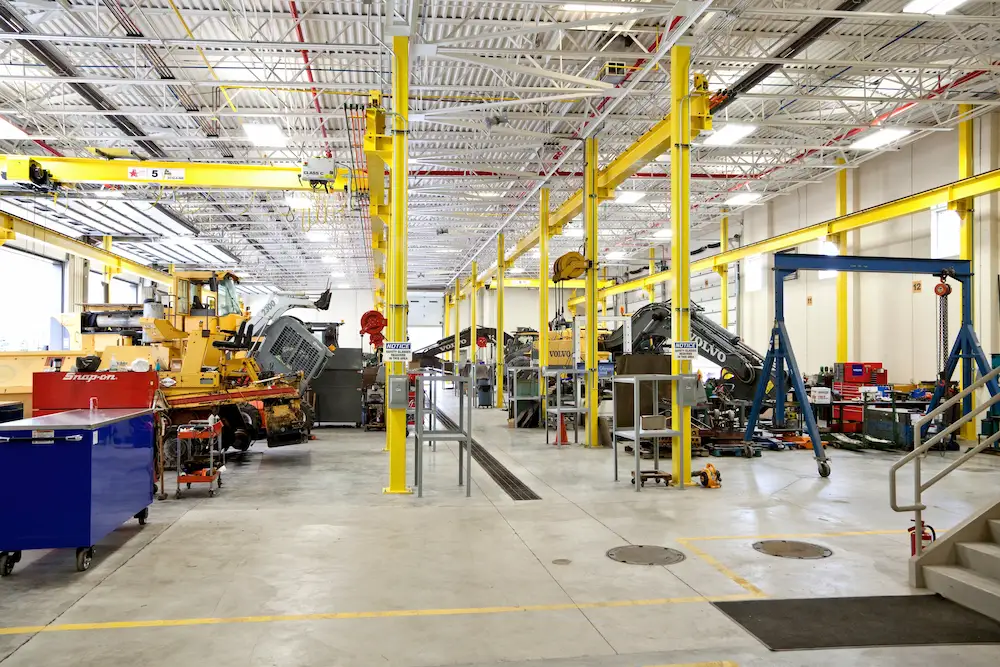
Cranes & Hoists for Industrial Lifting and Safer Load Control
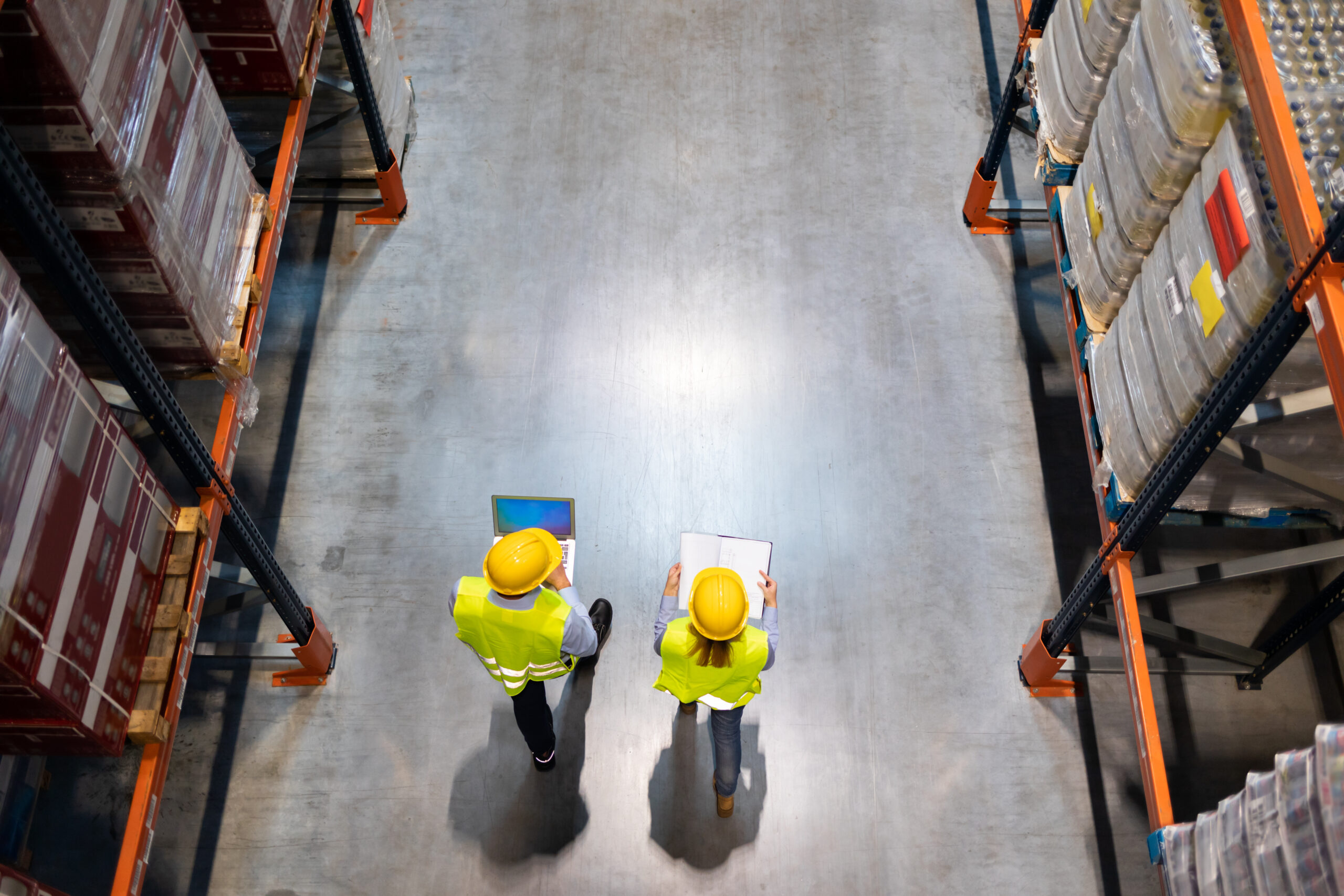
Cranes and hoists are used when loads are too heavy, too awkward, or too frequent for safe manual handling. In warehouses, manufacturing plants, and production environments, overhead lifting systems improve control during picks and placements, reduce operator strain, and keep material flow moving when floor space is limited. Alta Material Handling supports crane and hoist solutions as part of a broader facility infrastructure approach through our warehouse solutions pillar.
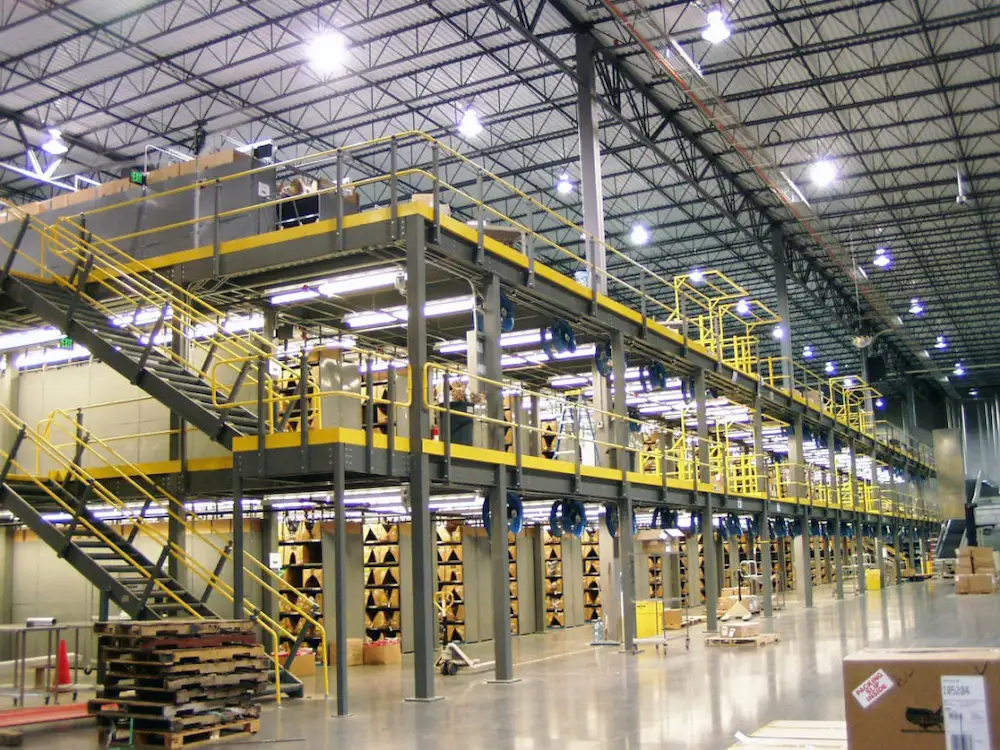
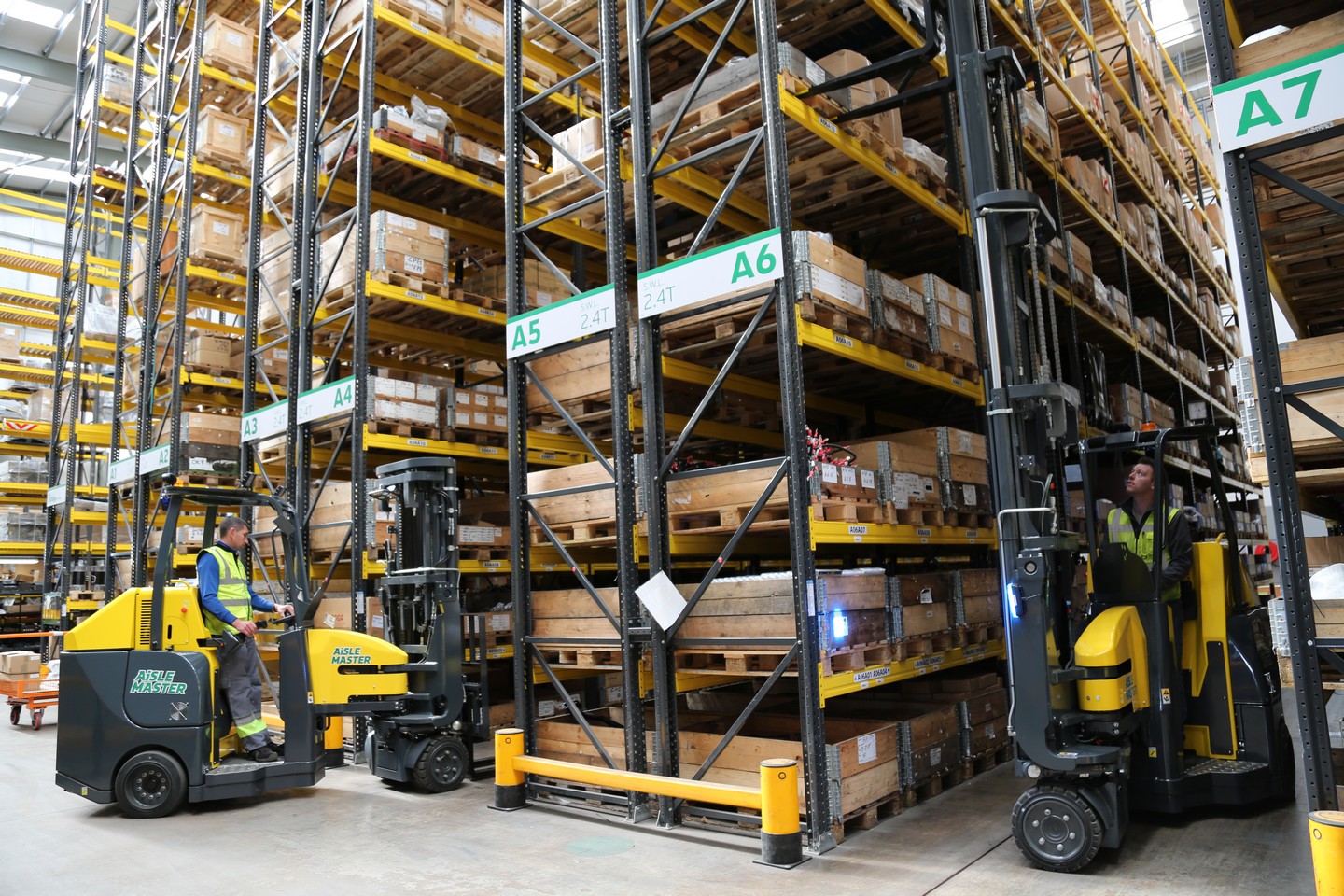
Overhead lifting also intersects with other facility systems. For example, hook height and crane travel paths can affect storage clearances around racking systems, elevated storage or work platforms such as mezzanines, and protected pedestrian zones using safety and protection products. Planning those interactions early helps prevent workflow bottlenecks and rework after installation.
Crane and hoist options that match real facility constraints
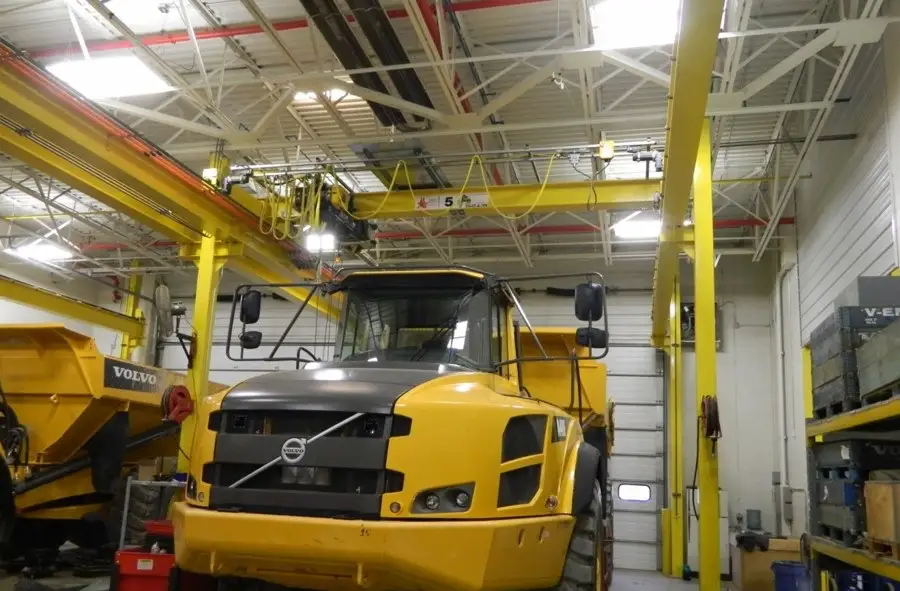
Choosing a crane system is rarely about a single specification. The correct configuration depends on how far loads need to travel, whether lifting happens at one station or across a bay, and what the building structure can support. Alta Material Handling supports common lifting configurations used in industrial environments, including overhead cranes, gantry cranes, jib cranes, chain hoists, and electric hoists.
- Overhead bridge cranes: designed for repeated lifting across wide bays where the load must travel along a runway.
- Gantry cranes: freestanding systems that can be useful when building-supported runway structures are limited.
- Jib cranes: localized lifting for production cells, workstations, and repetitive picks in a defined radius.
- Electric hoists: powered vertical lifting with controlled speed and positioning.
- Chain hoists: compact lifting solutions often used for lighter-duty or supplemental applications.
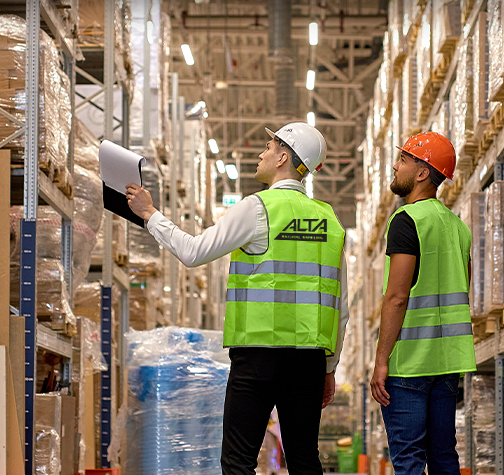
Many facilities use cranes for vertical handling and lift trucks for transport and staging. If your workflow includes both, you can review lift truck options in our forklift catalog or browse additional equipment through the full catalog. If you need short-term coverage during equipment changes, seasonal surges, or planned shutdown windows, options may be available through rentals.
What to evaluate before you commit to a lifting system
Most facilities start looking for cranes and hoists because something is failing operationally: lifts are slowing production, loads are being handled in unsafe ways, or existing equipment is creating downtime risk. To select the right system and avoid expensive changes later, evaluation should consider how lifting will actually occur day to day, not just the maximum rated capacity.
Key selection factors typically include load weight range, lift frequency per shift, required hook height, span and travel requirements, clearance around storage zones, and whether the system must interface with staging areas or production lines. If lifting is part of a larger layout upgrade, it is often useful to review adjacent systems through the warehouse solutions products hub, including conveyors for flow, ergonomics for workstation safety, and workbenches for consistent pick-and-place processes.
Repair, inspection support, and maintenance planning
Overhead lifting equipment needs disciplined upkeep because failures can create safety exposure and production stoppages. Alta Material Handling supports crane and hoist repair, inspection support, and maintenance planning, including diagnosing performance issues, resolving control or braking problems, and replacing worn components such as hooks, chains, or hoist assemblies when appropriate. If your operation has inspection deadlines or recurring downtime, a structured service plan is often the difference between predictable uptime and emergency repairs.
For ongoing support pathways, service coordination and related capabilities are centralized at parts and services. If you need to confirm local coverage, branch contact information is available through locations.
How cranes and hoists fit into complete warehouse infrastructure
Cranes and hoists tend to work best when they are integrated into the rest of the facility system rather than treated as a standalone purchase. Controlled access zones may use wire partitions to separate pedestrian traffic, while storage strategy may blend shelving with higher-density racking systems. Visibility also matters in lift zones, so many facilities evaluate lighting improvements alongside lifting upgrades.
If space reconfiguration is part of the project, you may also be evaluating footprint changes using space solutions, in-warehouse administrative areas using modular offices, or relocation-friendly options from mobile products. These are often planned together because they influence aisle width, overhead clearances, and how loads move between zones.
Cost-conscious paths: rentals, used equipment, and phased upgrades
Some operations need improved lifting capability immediately but want to phase larger capital changes. In those cases, short-term support may come from rentals, while broader capacity improvements can sometimes be supported with cost-conscious options through used inventory. If lifting improvements affect powered equipment uptime, charging and battery planning may also matter, and you can review related considerations at motive power. To discuss lifting requirements, service availability, or installation planning, start with your nearest branch through locations.