
Warehouse Workbenches and Workstations Built Around How Work Actually Happens
Most warehouses do not lose time because people move slowly. They lose time because work is poorly staged. A box cutter is missing. Labels are across the aisle. Returns pile up at the end of a packing table. Parts arrive in the wrong sequence. The workstation becomes the bottleneck.
Warehouse workbenches and workstations solve a simple problem with real operational impact: they create a repeatable place for repeatable work. Alta Material Handling supports workstation planning through our warehouse solutions approach, connecting work areas to storage, traffic flow, safety controls, and material movement systems.
Start with the job, not the furniture
A “workbench” can be anything from a packing surface to a kitting cell to a quality inspection station. The right workstation depends on the job type, cycle time, and how materials arrive and leave. Before choosing a setup, most facilities benefit from defining three things:
- Inputs: what arrives to the station, in what container, at what frequency.
- Process steps: what the operator does, in what order, and where errors happen.
- Outputs: what leaves the station, how it gets labeled, staged, and transported.
Workstations usually perform best when they are planned alongside ergonomics solutions so the work height, reach distance, and material presentation support safe, consistent motion across a shift.
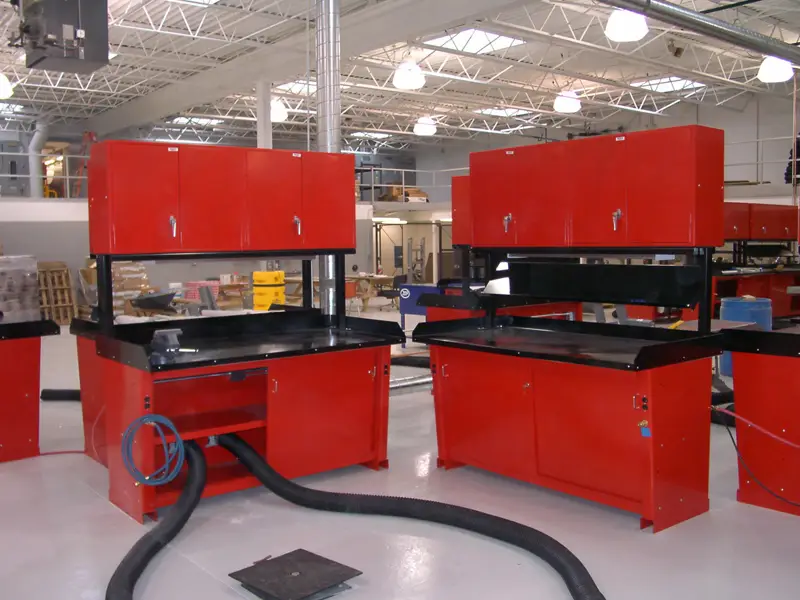
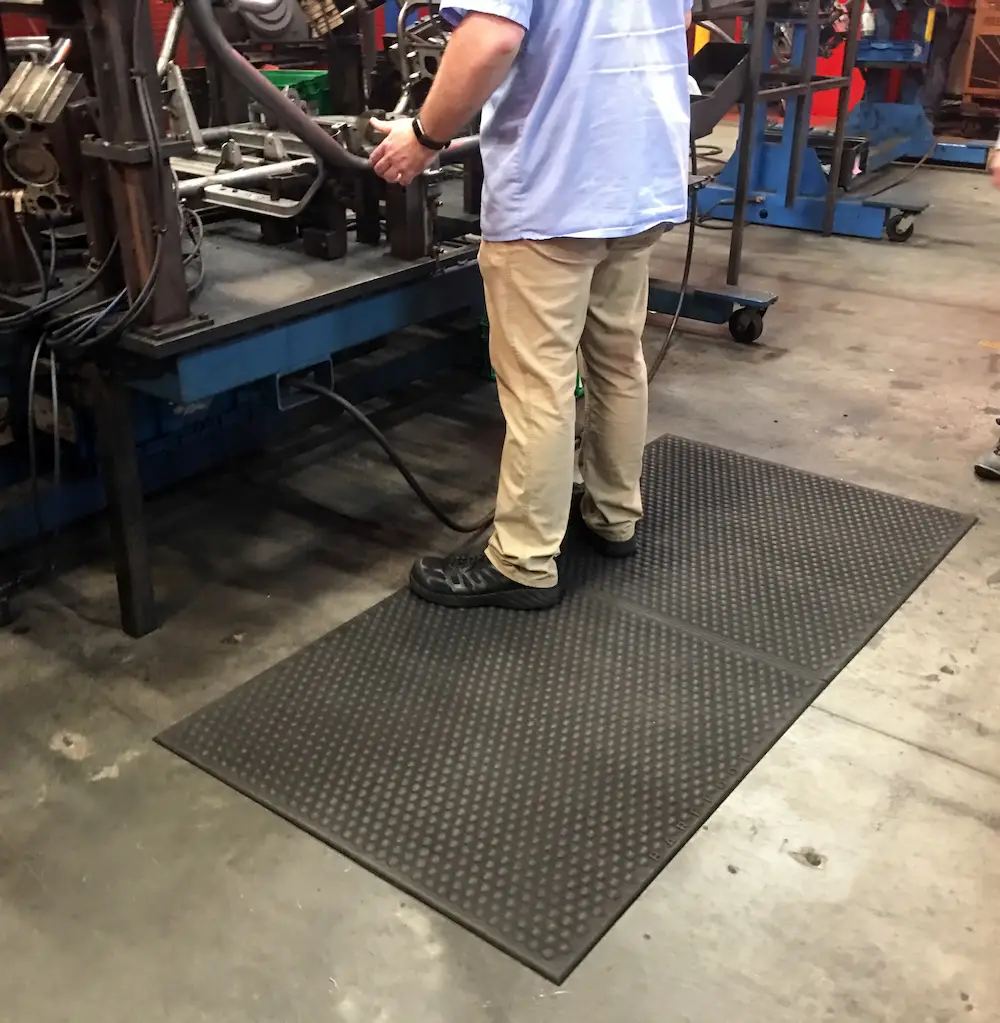
Common workstation use cases inside modern warehouses
Workbenches are often installed in the same “fast work” zones where errors and rework are most expensive. Typical use cases include:
- Packing and labeling: carton build, void fill, label printing, scan verification, and outbound staging.
- Kitting and light assembly: pre-building kits for production, bundling SKUs, and repeatable part presentation.
- Returns processing: inspection, re-bagging, relabeling, and disposition decisions.
- Quality control: measurement, photo documentation, verification steps, and exception handling.
When stations feed high-volume outbound lanes, it is often useful to plan workbenches together with conveyor solutions to reduce hand-carrying and keep transfer points consistent.
How workstations connect to storage, access, and security
Workbenches live downstream of storage. If the storage system is slow, the station suffers. If storage is efficient but poorly segmented, stations spend time sorting rather than processing.
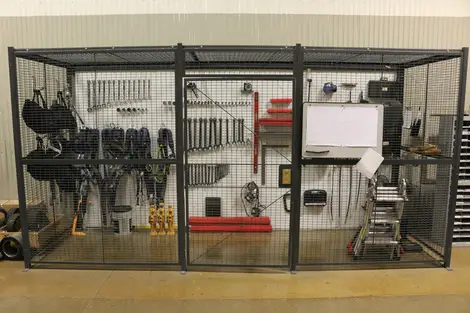
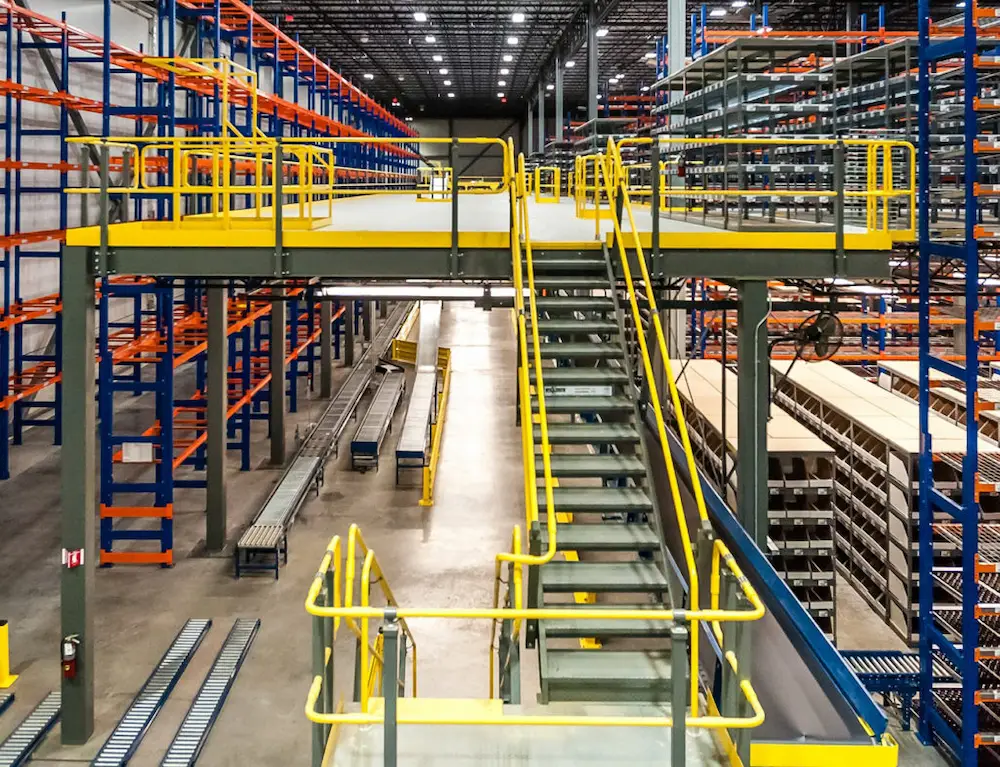
Facilities commonly coordinate workstation layout with pallet storage using racking systems and small-item storage using shelving so high-velocity items are staged near the work area. For restricted items, tool cribs, or controlled zones, many operations also use wire partitions to limit access without losing visibility.
Safety is not a poster. It is physical design.
A workstation becomes safer when traffic is predictable, pedestrian space is protected, and visibility is clear. If operators are stepping into lift truck lanes to grab cartons or parts, the workstation design is part of the problem.
Facilities frequently pair workstation areas with safety and protection systems to define walkways, protect corners, and reduce impact risk. Visibility matters too. Work areas and cross-traffic zones can benefit from improved lighting, especially where scanners, labels, and verification steps depend on clear reading and line of sight.
Training reinforces safe behavior inside the system. Programs available through warehouse safety training can support consistent practices around pedestrian awareness, lift truck interaction, and safe workstation operation.
Equipment alignment: forklifts, carts, and the last 20 feet
Workstations do not operate in isolation. They rely on movement. Pallets get staged. Carts get replenished. Finished goods get cleared. When the “last 20 feet” is chaotic, the station slows down.
To evaluate equipment fit, review lift truck options in the forklift catalog and the broader equipment catalog. If a layout change requires temporary equipment support or short-term throughput coverage, options may be available through rentals. Cost-sensitive planning may also include equipment options through used inventory.

Implementation and support
Many facilities implement workstations in phases, starting with the highest rework area or the station that is limiting outbound throughput. For planning help and local support, connect through locations. For maintenance coordination and service pathways across warehouse systems and powered equipment, use parts and services. If battery-powered equipment uptime affects replenishment and staging near work areas, review motive power considerations.
To explore related infrastructure categories, visit the warehouse solutions products hub.