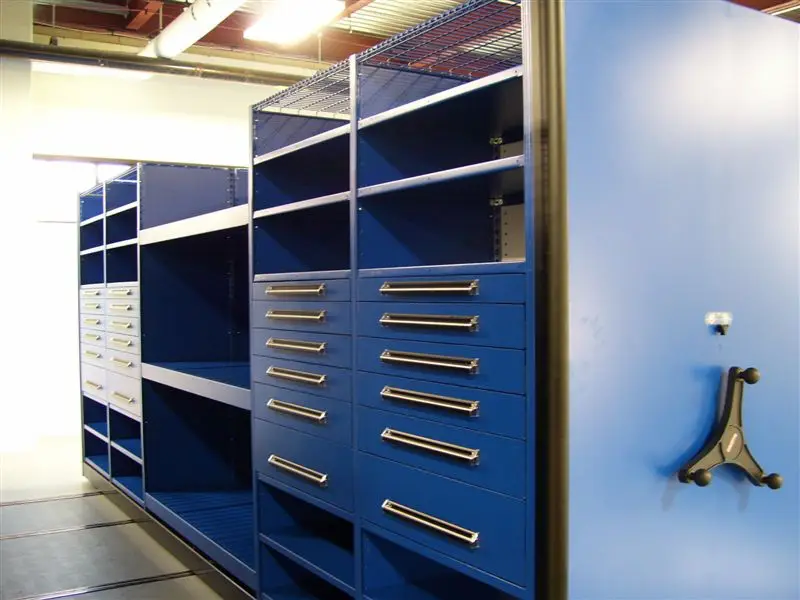
Warehouse Shelving Systems Designed for Accuracy and Accessibility
Not all inventory belongs on a pallet. Many warehouses manage thousands of small or mid-sized SKUs that require direct access, clear labeling, and fast picking. Warehouse shelving systems support these environments by improving organization, visibility, and retrieval speed.
Alta Material Handling integrates shelving systems into broader warehouse solutions strategies that align storage layout, workstation design, safety planning, and material flow.
When Shelving Is the Right Storage Solution
Shelving systems are commonly used in operations where individual units are picked frequently, and pallet storage would reduce accessibility. These environments often include e-commerce fulfillment, maintenance parts rooms, kitting areas, and returns processing.
Shelving may be the right fit when:
- Inventory is stored in cartons, totes, or individual units.
- SKUs require direct access without moving other product.
- Picking accuracy and speed are critical.
- Vertical space can be optimized without pallet handling.
For palletized storage or higher-capacity needs, facilities often evaluate racking systems. Many operations use a hybrid approach, combining pallet racks for bulk storage and shelving for active picking zones.

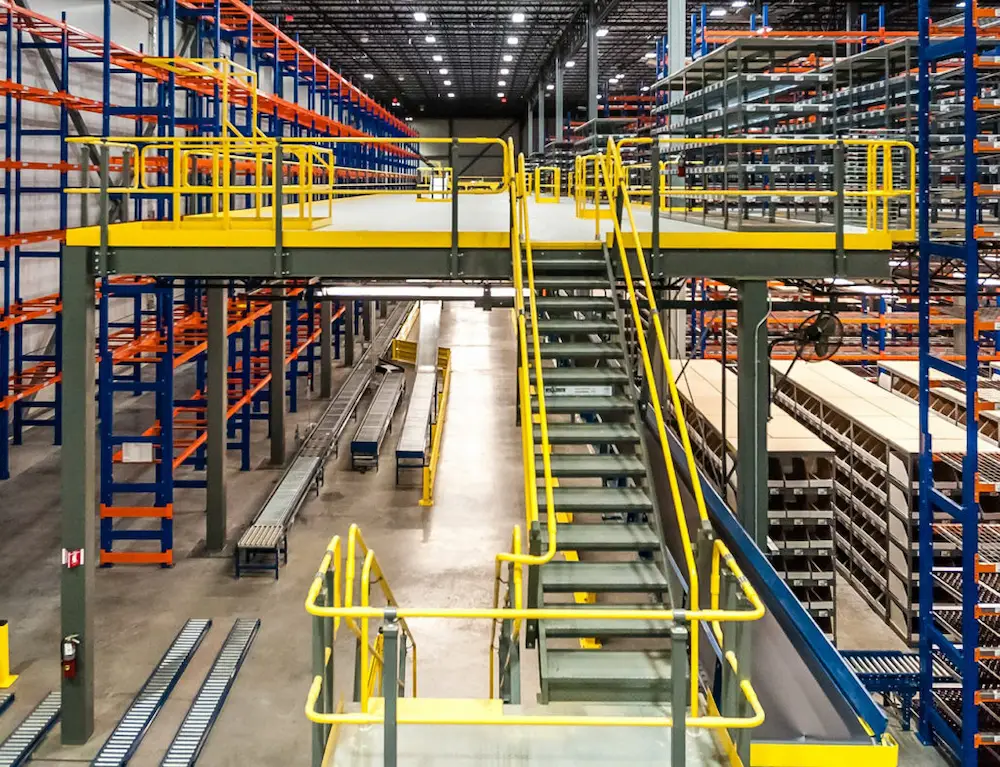
Improving Pick Efficiency and Organization
Well-planned shelving reduces travel time and improves accuracy. By grouping high-velocity SKUs within ergonomic reach zones, facilities can reduce unnecessary bending and reaching. Pairing shelving layouts with ergonomics solutions helps maintain consistent working height and posture across shifts.
In high-volume environments, shelving often feeds directly into packing areas equipped with workbenches or connects to outbound flow using conveyors. Coordinating storage placement with downstream workflow prevents bottlenecks at pick and pack stations.
Density Planning and Layout Considerations
Shelving density should balance capacity with accessibility. Overcrowded shelves reduce visibility and increase pick errors. Underutilized shelves waste valuable floor space. Effective planning considers SKU velocity, replenishment frequency, and traffic flow around shelving rows.
Facilities expanding footprint or reorganizing storage zones may evaluate broader layout strategies through space solutions or vertical expansion using mezzanines.
Safety and Traffic Management Around Shelving
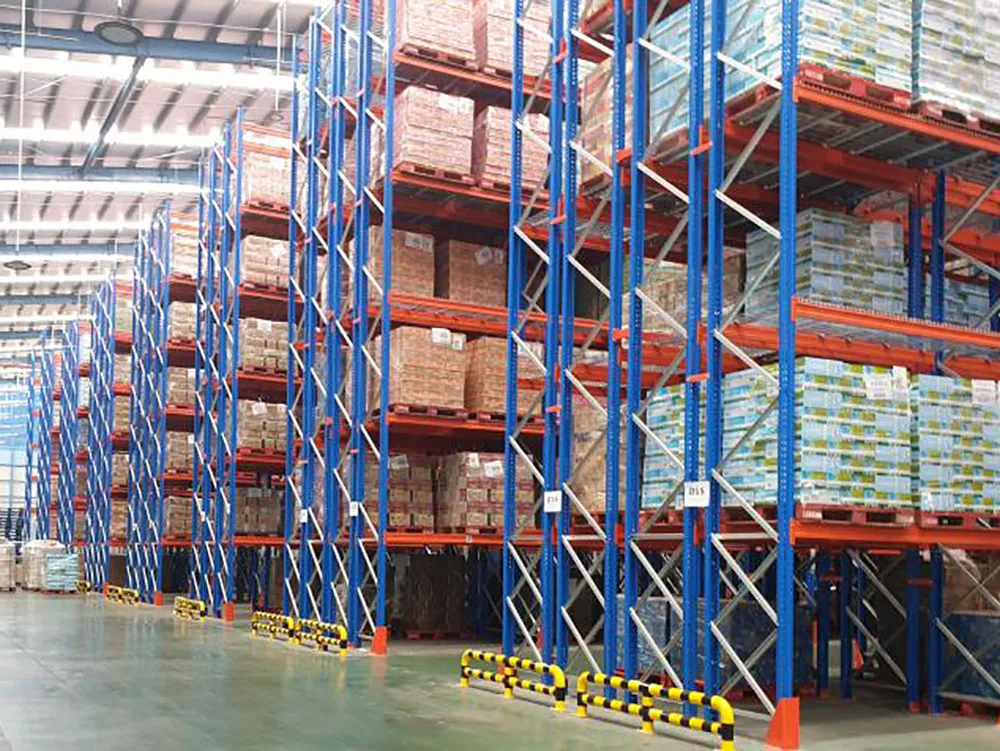
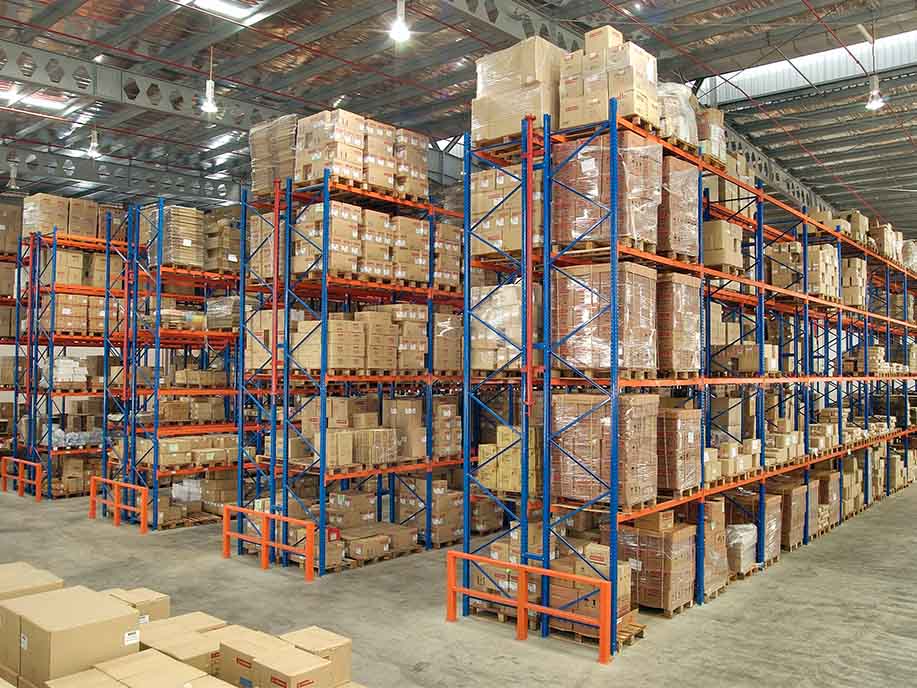
Shelving areas often sit in mixed pedestrian and lift truck zones. Clear separation and impact protection can reduce structural damage and improve safety. Many facilities implement measures from safety and protection systems to protect shelving rows and define walkways.
Where inventory requires restricted access, wire partitions can create controlled storage zones while maintaining visibility and airflow.
Equipment Compatibility and Workflow Integration
Although shelving is often accessed by hand, surrounding traffic and replenishment methods still depend on equipment capabilities. Aisle width, reach height, and turning radius should align with lift trucks operating nearby. Review specifications in the forklift catalog and broader equipment options in the equipment catalog when planning aisle spacing.
Flexible Implementation and Ongoing Support
Shelving systems can often be installed or expanded in phases. Facilities upgrading pick zones may begin with a single aisle and scale as volume increases. Temporary throughput support during transitions may be available through rentals, while budget-conscious strategies may include options from used inventory.
For planning assistance and local support, connect through locations. Ongoing service and coordination pathways are available via parts and services. Battery and charging considerations for surrounding equipment can be reviewed under motive power.