Warehouse Safety & Protection Systems for High-Traffic Industrial Facilities
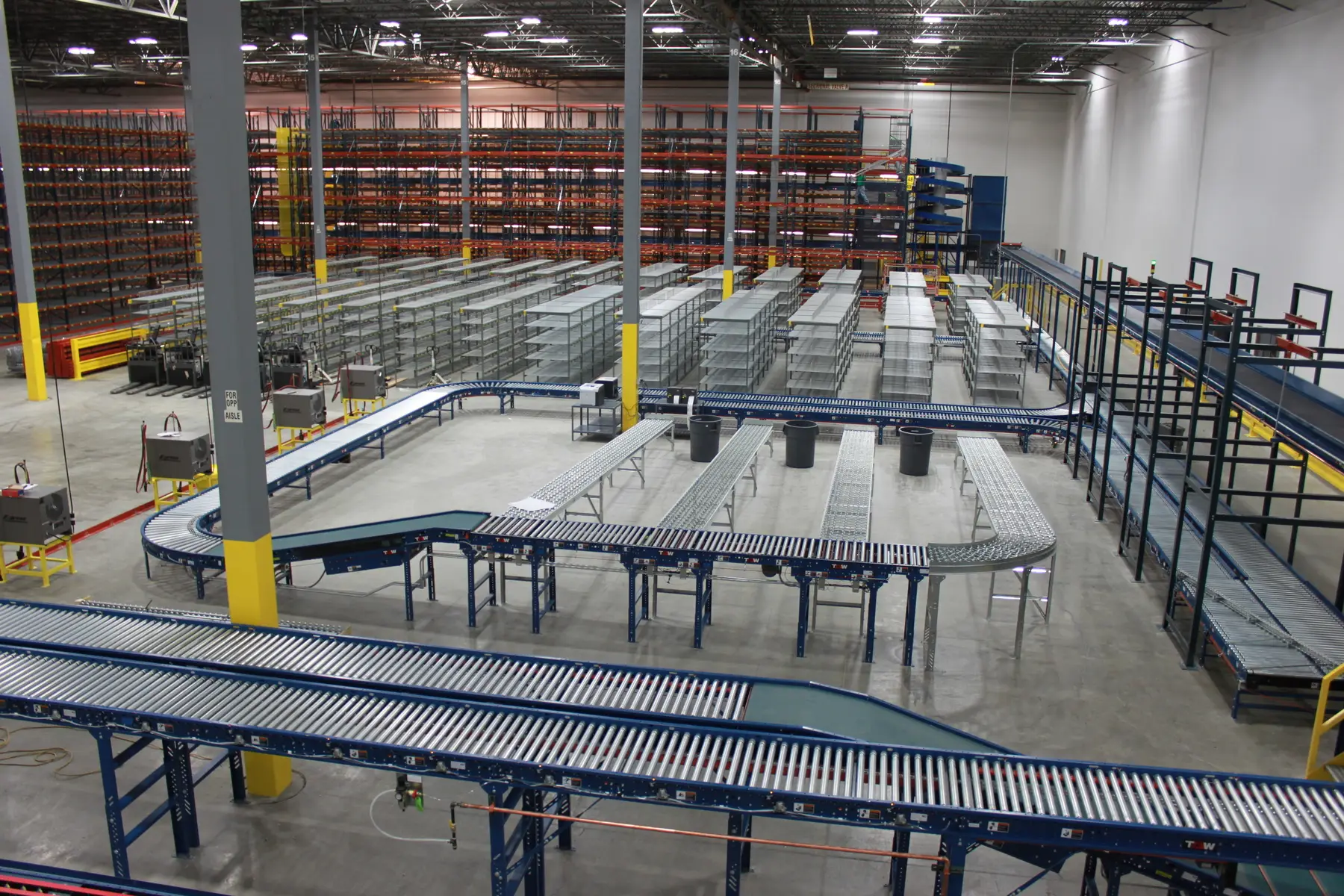
As warehouse throughput increases, so does traffic density. Lift trucks move faster, storage layouts tighten, and pedestrian interaction becomes more complex. In these environments, safety and protection systems are not cosmetic upgrades, but structural controls designed to reduce impact damage, limit injury exposure, and protect capital investments. Alta Material Handling supports warehouse safety and protection strategies through our broader warehouse solutions approach. Rather than treating barriers and guarding as isolated products, protection systems are evaluated in the context of storage layout, lift truck activity, pedestrian flow, and long-term maintenance planning.
Where warehouse protection systems make the greatest impact
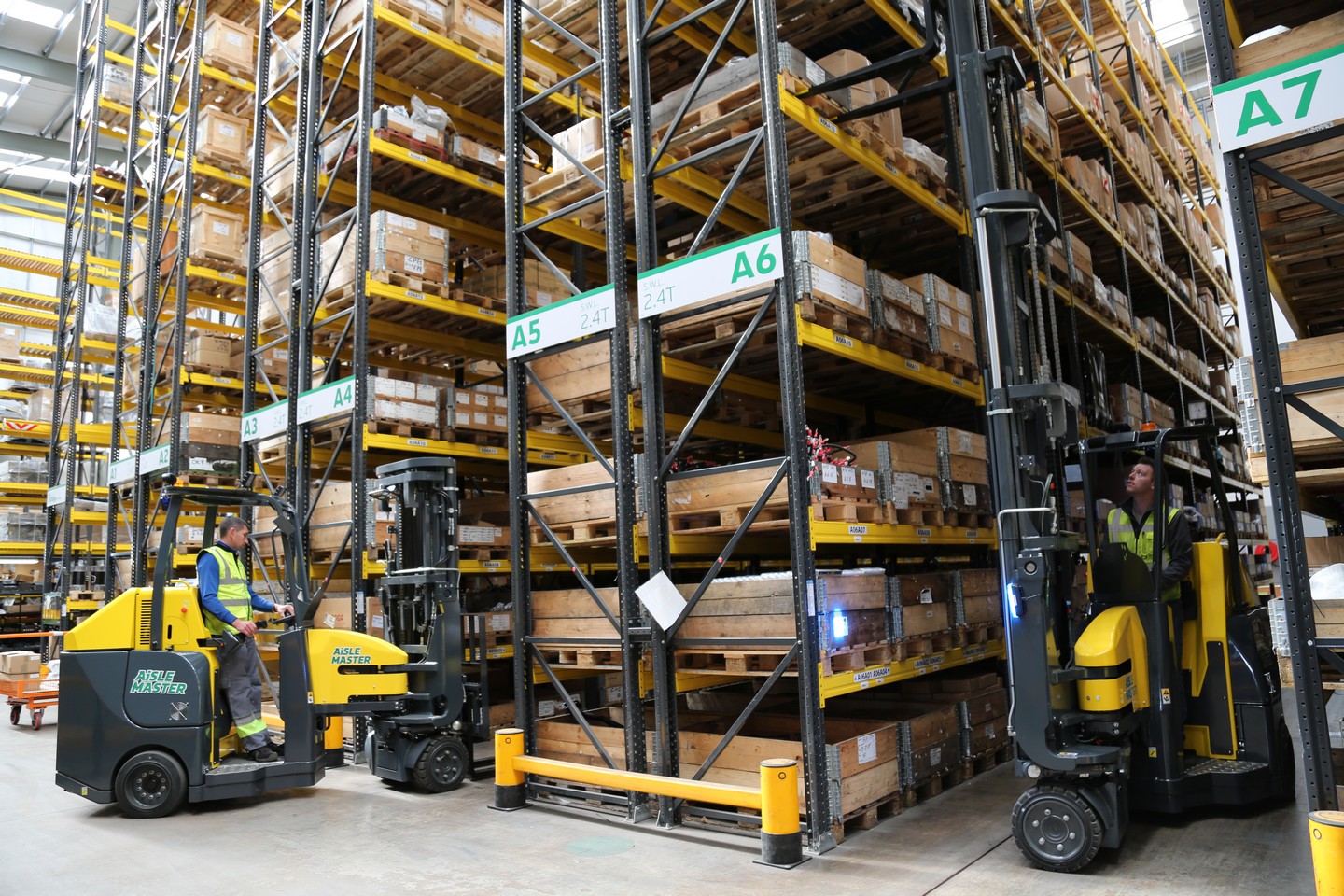
Damage patterns inside most facilities are predictable. Impacts frequently occur at rack ends, aisle intersections, staging lanes, blind corners, and around structural columns. Installing protection in high-risk zones helps reduce repeated structural damage and minimize unplanned downtime.
- Rack protection: Upright guards and end-of-aisle protection reduce repeated impact damage to racking systems.
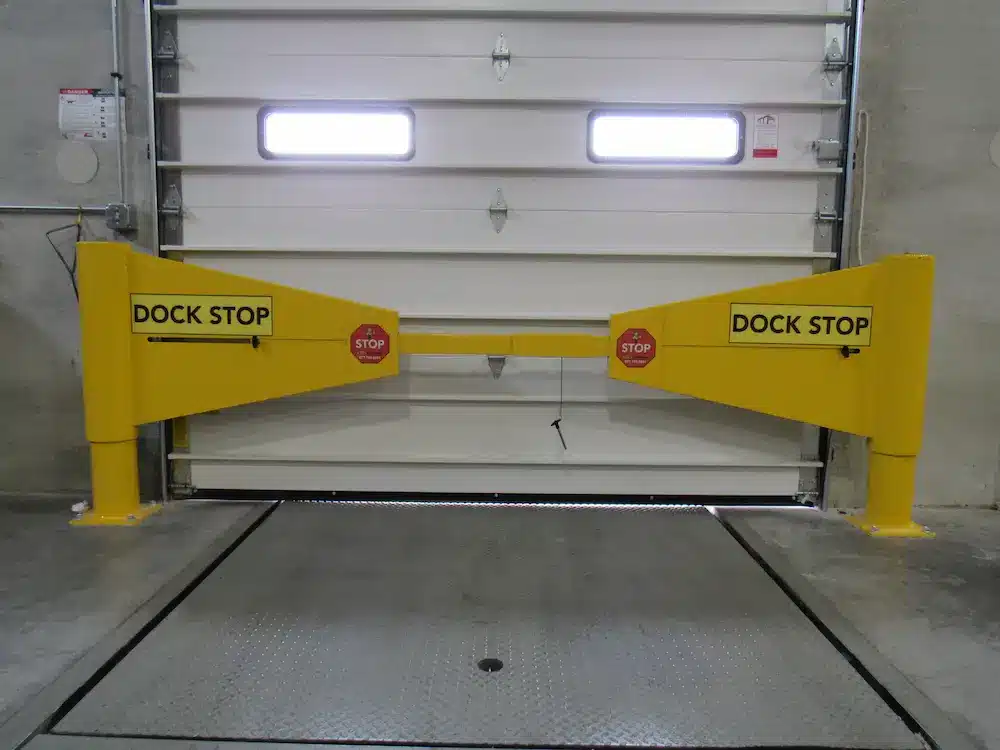
- Guard rails and impact barriers: Used to protect structural columns, equipment zones, and high-traffic intersections.
- Pedestrian barriers: Create defined walkways to separate foot traffic from lift truck lanes.
- Partitioned safety zones: Controlled access areas built with wire partitions to protect sensitive operations or inventory.

Facilities operating mixed fleets can evaluate truck size, turning radius, and visibility considerations in the forklift catalog. Additional equipment context is available through the equipment catalog. Protection design should reflect real equipment movement patterns rather than theoretical aisle drawings.
Designing safety around real traffic flow and layout density
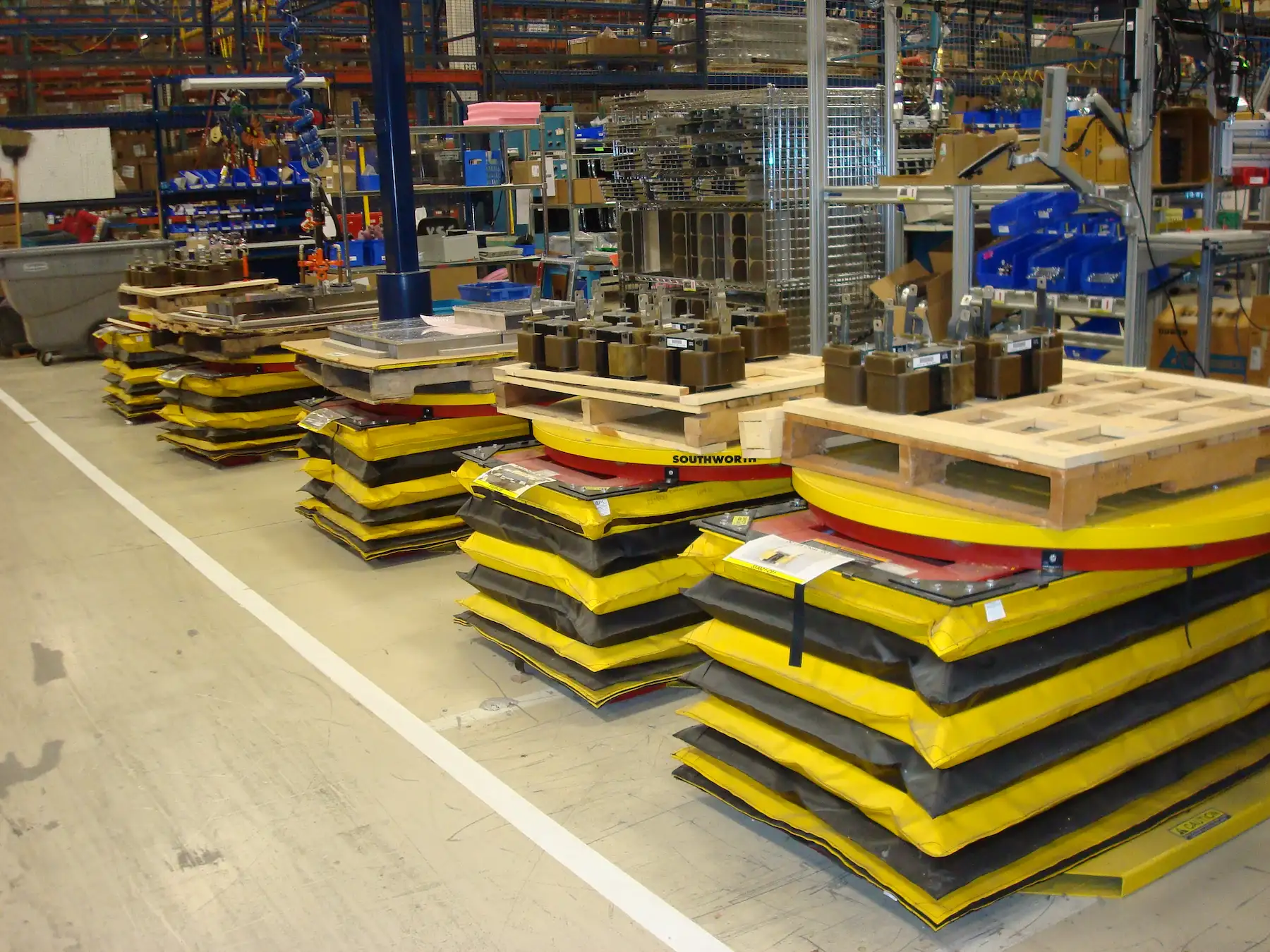
Protection systems are most effective when they align with traffic flow and storage density. As facilities expand vertically with mezzanines or reconfigure layouts using space solutions, new blind spots and congestion zones often emerge. Integrating safety planning during layout changes reduces long-term correction costs.
Visibility also plays a measurable role in preventing incidents. In lift zones with limited natural light or shadowed racking aisles, upgrading lighting can improve operator awareness. Where pick and pack workflows are dense, pairing protection systems with ergonomic improvements from ergonomics solutions can reduce both impact damage and strain-related incidents.
Training and behavior are part of the safety equation
Physical barriers reduce the severity of impacts, but they do not eliminate unsafe behaviors. Operator training, traffic policies, and refresher evaluations are critical components of a complete safety strategy. OSHA requires proper training and evaluation for powered industrial truck operators, and facilities often experience reduced rack damage and fewer near-miss events after reinforcing training protocols.
Alta Material Handling provides structured programs through warehouse safety training to support safer forklift operation and pedestrian awareness. Combining engineered protection with trained operators creates layered risk reduction rather than relying on barriers alone.
Maintenance, inspection, and long-term damage prevention
Repeated rack impacts, bent guard rails, or loose anchors signal systemic traffic issues. Proactive inspection and maintenance help facilities identify recurring damage patterns before they escalate into structural failure. Service coordination for safety systems and powered equipment can be initiated through parts and services.
If safety upgrades coincide with equipment adjustments, short-term operational continuity may be supported through rentals. Budget-conscious organizations may also evaluate related equipment improvements through used inventory. Local consultation and branch support are available via locations.
Safety systems as part of complete warehouse product planning
Warehouse safety rarely operates in isolation. Facilities often coordinate barrier placement with shelving, racking systems, conveyors, and administrative separation using modular offices. For a broader review of infrastructure options, explore the warehouse solutions products hub.