Warehouse Ergonomics Solutions for Safer and More Efficient Workflows
Warehouse productivity depends on repeatable motion. When employees bend, reach, lift, or twist hundreds of times per shift, small inefficiencies become injury risks and performance slowdowns. Ergonomic warehouse solutions are designed to reduce strain, improve positioning, and support safer material handling across pick, pack, assembly, and staging operations.
Alta Material Handling supports ergonomic improvements as part of a broader warehouse solutions strategy that connects workstation design, storage layout, safety systems, and equipment selection into a cohesive operational plan.
Common Ergonomic Challenges in Warehouse Environments
Most ergonomic issues develop gradually. Repetitive bending, lifting from floor level, reaching above shoulder height, and inconsistent material presentation increase fatigue and risk over time. Facilities often identify ergonomic gaps after seeing rising injury reports, increased absenteeism, or reduced picking speed during longer shifts.
Typical areas where ergonomic improvements are applied include:
- Pick and pack stations: Reducing reach distance and lift height variation.
- Assembly and kitting zones: Improving part presentation and workstation height consistency.
- Pallet breakdown and build areas: Limiting repetitive floor-level bending.
- Repetitive transfer points: Reducing manual carrying between zones.
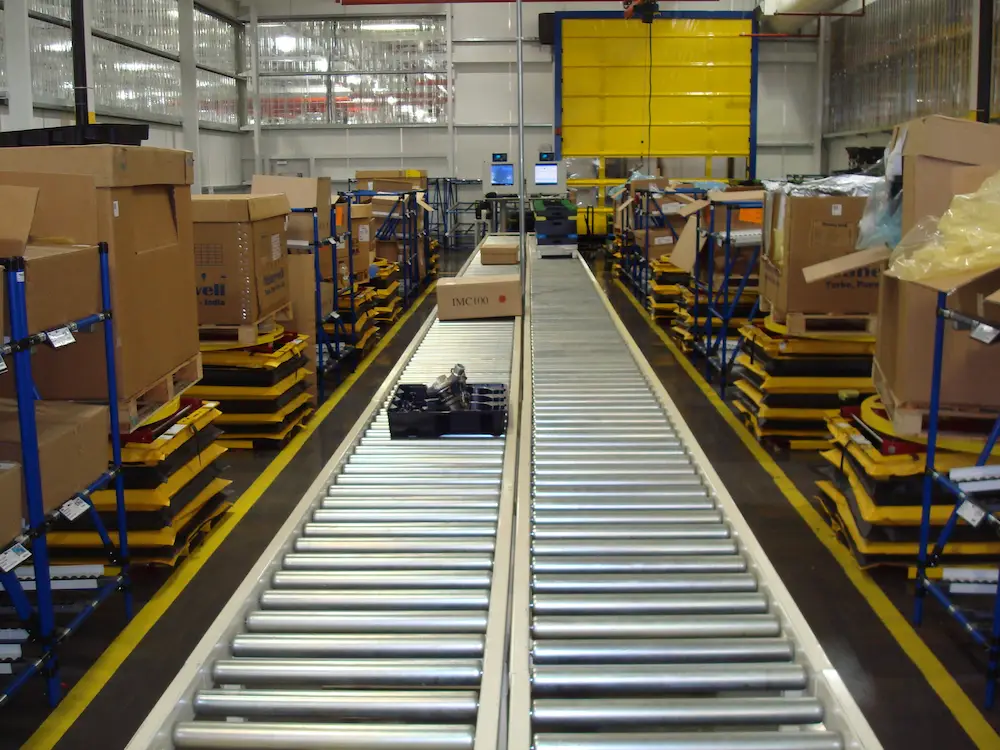
Many facilities evaluate ergonomic upgrades alongside workstation systems such as workbenches and material flow systems like conveyors to reduce unnecessary handling.
Ergonomic Equipment and Work Positioning Improvements
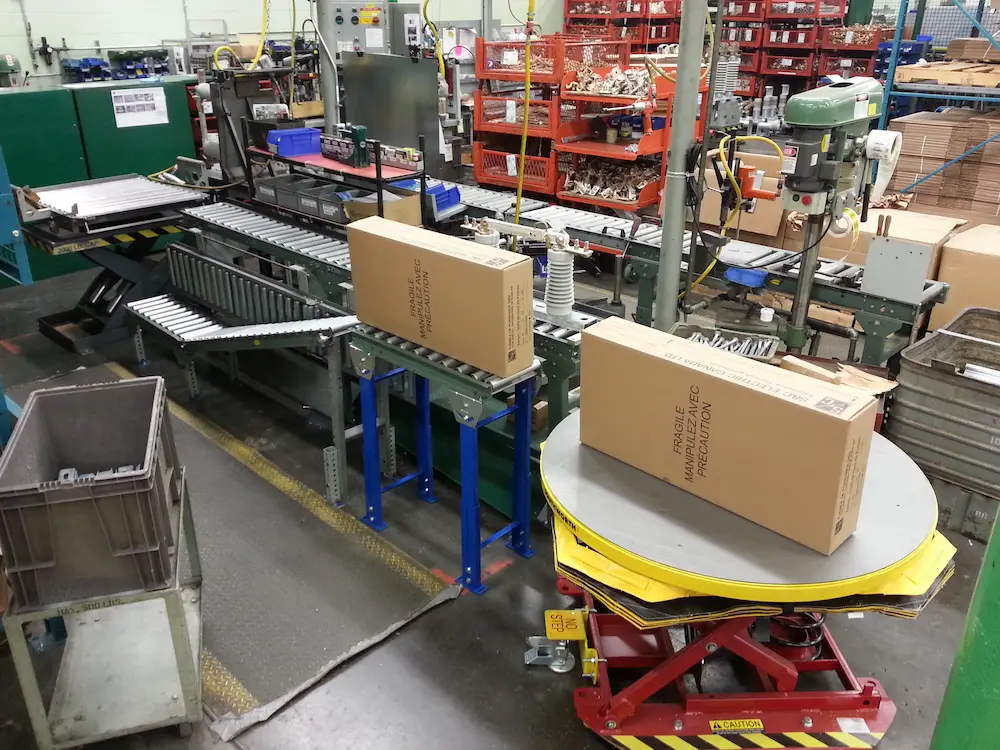
Effective ergonomic solutions focus on bringing work to the operator rather than forcing the operator to adjust to the work. Equipment may include lift tables, adjustable height workstations, tilt platforms, and controlled positioning systems that minimize repetitive strain.
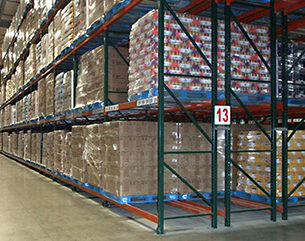
Storage height and access also affect strain. When storage density changes using racking systems or shelving, workstation ergonomics should be reassessed to prevent new reach or lift challenges from developing.
Connecting Ergonomics with Safety and Training
Ergonomics is closely tied to safety outcomes. Reducing strain lowers injury risk, improves focus, and decreases the likelihood of fatigue-related mistakes. Facilities often combine ergonomic upgrades with safety and protection systems and structured programs through warehouse safety training to reinforce proper lifting technique and equipment interaction.
Lift truck selection also influences ergonomic performance. Equipment maneuverability and load positioning affect how frequently employees must manually reposition materials. Review options in the forklift catalog and the broader equipment catalog when evaluating complete workflow improvements.
Improving Throughput While Reducing Fatigue
Ergonomic improvements are not only about injury reduction. When employees can maintain neutral posture and consistent motion, picking speed, accuracy, and endurance often improve. In high-volume environments, even small reductions in reach distance or lift height can produce measurable throughput gains.
Facilities expanding vertically with mezzanines or redesigning layouts using space solutions should evaluate ergonomic impact during planning to avoid introducing new strain points.
Flexible Implementation and Ongoing Support
Ergonomic improvements can often be implemented in phases. Some facilities begin with high-injury zones and expand improvements over time. Temporary adjustments may be supported through equipment rentals, and budget-conscious equipment planning can include used inventory.
For consultation, installation planning, or service coordination, connect with your nearest branch through locations. Ongoing support pathways are available through parts and services, and battery and charging considerations can be reviewed under motive power.