Warehouse Wire Partitions for Secure and Controlled Access Environments
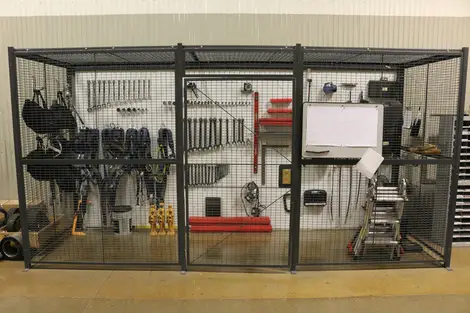
As warehouses increase throughput and inventory value rises, controlled access becomes a structural requirement rather than an afterthought. Wire partitions create defined security zones within active industrial environments without restricting visibility or airflow. Alta Material Handling supports partitioned environments as part of a broader warehouse solutions strategy focused on traffic control, inventory protection, and operational clarity. Wire partition systems are commonly used to secure high-value inventory, isolate tool cribs, create tenant separation in shared facilities, protect server equipment, and define restricted-access storage areas. Unlike solid walls, wire mesh systems maintain line of sight while still establishing physical boundaries that reduce unauthorized access.
Common Applications for Wire Partition Systems
Controlled access needs vary by facility type. Some operations require security for high-value SKUs, while others must protect equipment, data systems, or regulated materials. Typical applications include:
- Inventory security cages: Securing high-value or serialized product inside active warehouse floors.
- Tool cribs and maintenance areas: Restricting access to specialized tools and repair equipment.
- Server or IT enclosures: Protecting infrastructure while maintaining ventilation.
- Tenant separation: Creating defined boundaries in shared distribution environments.
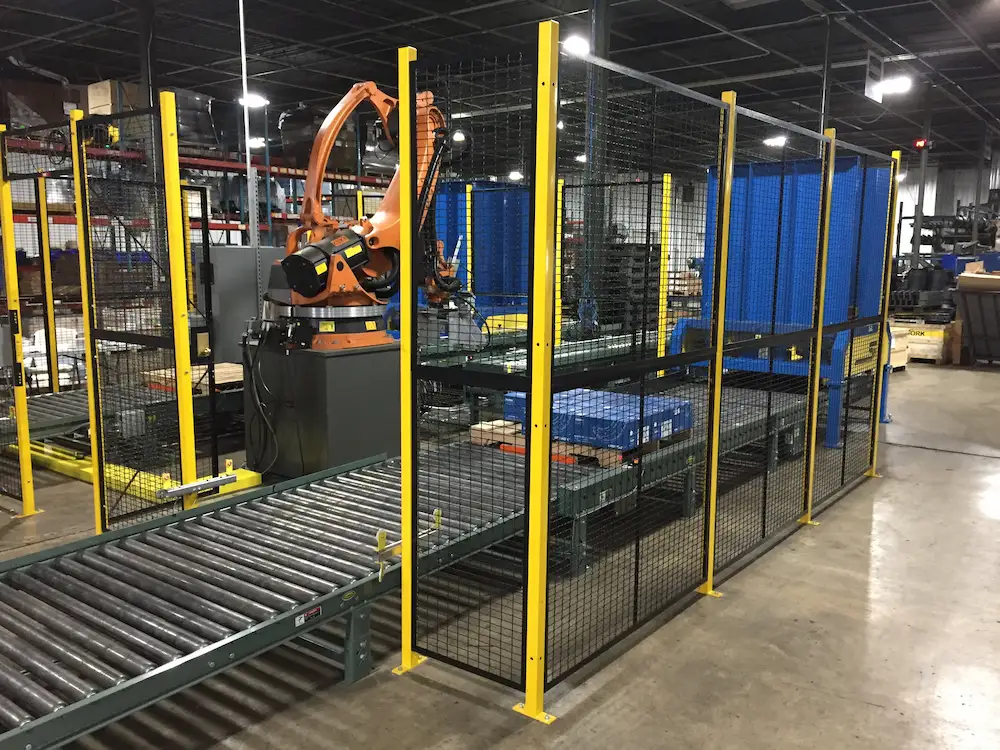
Partition systems are often installed alongside storage systems such as racking systems or shelving, where security and structural integrity must work together. Planning partition placement around aisle widths and lift truck turning radius is essential, especially in facilities operating equipment listed in the forklift catalog.
Designing Secure Zones Without Disrupting Workflow
Wire partitions should enhance operational flow rather than create bottlenecks. Poor placement can restrict pallet staging, block forklift visibility, or create traffic congestion. Effective design considers pick frequency, replenishment routes, and emergency egress requirements.
Facilities expanding vertically with mezzanines or reconfiguring layouts using space solutions often integrate partitions during structural changes to avoid costly retrofits later. In high-density picking areas, pairing partitions with improved lighting can improve visibility inside enclosed zones.
Security, Safety, and Compliance Considerations
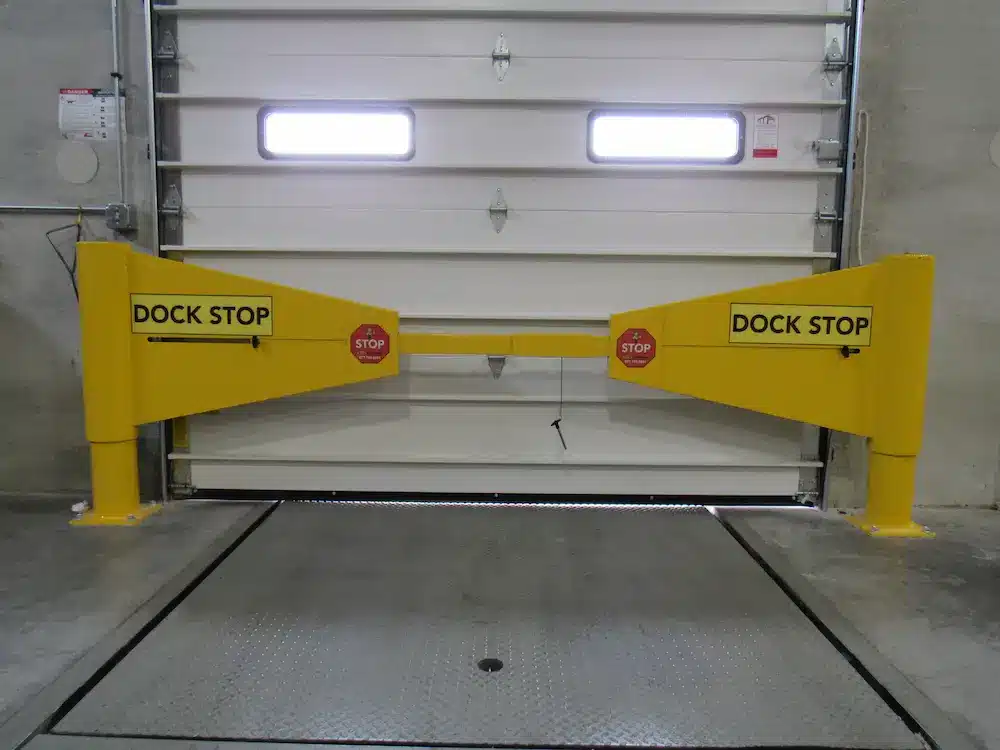
Partition systems contribute to security control, but they also influence safety planning. Restricted areas should be clearly marked, accessible only to authorized personnel, and aligned with traffic management policies. In facilities with mixed pedestrian and lift truck traffic, controlled access supports safer separation when combined with safety and protection systems.
Operator awareness remains critical. Structured programs available through warehouse safety training reinforce safe interaction with secured zones, especially where forklift access is limited or access points are controlled.
Supporting Equipment, Service, and Long-Term Flexibility
As operational needs evolve, partition systems may need to expand or reconfigure. Facilities planning phased upgrades often coordinate improvements across storage, guarding, and powered equipment. Equipment options can be reviewed in the equipment catalog, while short-term adjustments during reconfiguration may be supported through rentals. Budget-conscious equipment strategies may also involve used inventory.
Ongoing service coordination for warehouse systems can be initiated through parts and services. To connect with your nearest branch for consultation, visit locations.