Why OEM Forklift Parts Matter More Than You Think
September 22, 2026
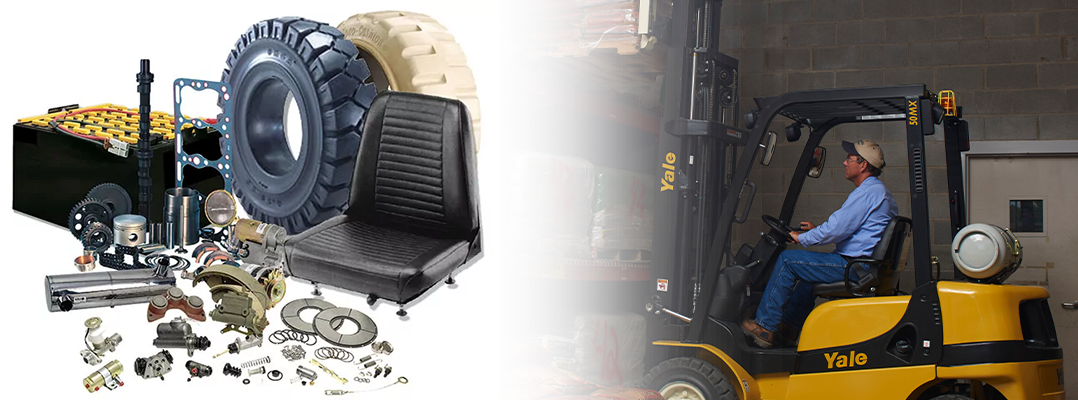
Throughout the northern Midwest, forklifts are relied upon for extensive use. Forklift parts do need to be replaced from time to time due to natural wear. As part of the forklift maintenance process, operators need to find reliable forklift replacement parts to minimize downtime. This often leads to a debate between OEM vs aftermarket forklift parts. When it comes to deciding between OEM and aftermarket forklift parts, it’s important to understand that OEM forklift parts offer several advantages and actually matter more than you might think.
Why Use OEM Forklift Parts?
To operate at peak performance, forklifts need reliable parts. Original equipment manufacturer or OEM forklift parts offer the reliability operators need to ensure their equipment is ready to perform. Choosing OEM forklift parts ensures those parts will fit the specific models for which they were manufactured perfectly while also delivering superior performance.
One of the most important factors to understand when comparing OEM vs aftermarket forklift parts is that aftermarket parts are not manufactured by the original manufacturer that produced your forklift. Instead, they are produced by external sources. By choosing OEM forklift replacement parts, you can ensure that you are purchasing parts from the same manufacturer that produced your forklift.
Since aftermarket parts are produced by a third-party manufacturer, they are usually more generic. By comparison, OEM parts are produced to only fit specific forklift models. When you choose to use OEM forklift parts, you never have to be concerned about whether the part will fit your forklift. You can rest assured it will match perfectly.
Most Common Forklift Replacement Parts
When you purchase a brand-new forklift, it always contains OEM forklift parts. The question of whether you should use OEM or aftermarket forklift parts comes into play during forklift maintenance and repairs. Due to the nature of how this type of equipment is used, some parts on a forklift tend to wear out sooner than others and need to be replaced more often. These forklift parts include:
Tires
Since forklifts are specifically designed to operate for long periods of time, make precise maneuvers, and transport heavy loads, the tires wear down frequently. This results in the need for forklift tire replacements.
Oil and Air Filters
Filters are responsible for preventing dirt and debris from impacting the performance of the engine and ensuring that only clean oil is circulated through the forklift’s engine. As a result, filters usually need to be changed frequently.
Pedal Pads
The rubber pads located under the brake and accelerator pedals serve an important purpose by ensuring that the operator’s foot doesn’t slip during operation. As they wear down, pedal pads need to be replaced to ensure continued safe operation.
Forklift Horns
Forklift horns also serve as an important safety feature and are one of the most commonly needed forklift replacement parts.
Forklift Chains
Over time, forklift chains will stretch and wear down. When this happens, they must be immediately replaced.
Spark Plugs
As part of the operation process, exposure to dirt is common. Unfortunately, that exposure to dirt can prevent spark plugs from working properly and can impact engine performance. This necessitates the need for routine spark plug replacement for your forklift.
Batteries
For forklifts to operate at peak efficiency, they must have a properly maintained battery. Signs that a forklift battery needs to be replaced include charges that do not last very long or a battery that seems to be losing charge.
The Difference Between OEM vs Aftermarket Forklift Parts
Since OEM parts are designed and built by the same manufacturer that built your forklift, you can be assured that all replacement parts are built to the precise tolerances and specifications required. Aftermarket parts are often appealing because they seem to offer a less expensive route to obtaining forklift replacement parts. However, aftermarket parts often result in:
- Premature wear
- Reduced performance
- Inconsistent fitting
- Increased equipment failure risk
These risks can become even greater when used in forklifts designed for high-capacity loads.
Tips for Choosing the Right Forklift Parts Supplier
When searching for a forklift parts supplier in the Northeast, it’s important to not only find a supplier who stocks genuine OEM forklift parts, but also to select a supplier you can trust.
Begin by looking for a supplier who offers a deep inventory of the most common as well as the more difficult-to-find forklift parts. This can help to reduce lead times and ultimately downtime. Additionally, look for a supplier with ample technical expertise. Choose a supplier with certified staff who have the knowledge to provide expert advice on parts compatibility, installation, and forklift maintenance.
Choose a supplier who offers a solid warranty on forklift replacement parts as well as a clear return policy. It’s also a good idea to select a supplier who can ship quickly throughout the northern Midwest or who has locations in the Northeast.
To learn more about genuine OEM forklift parts, connect with your nearest Alta Material Handling location. Ready to upgrade your forklift?
Frequently Asked Questions
Are secondary market parts the same as aftermarket parts?
Yes, secondary market parts are produced by third-party manufacturers and are not genuine OEM forklift parts. They may vary in terms of quality and design.
Which forklift parts wear out the fastest?
Forklift parts that tend to wear out the fastest include tires, forks, filters, batteries, spark plugs, and water pumps. Regular forklift maintenance and inspections can help to prevent unexpected downtime for replacement.
How often should forklift parts be replaced?
Required replacement intervals for forklift parts vary based on several factors, including maintenance schedules as recommended by the manufacturer, operating hours, and working conditions
Can I install forklift parts or must I use a technician?
While it is possible to handle some replacements on your own, such as an air filter, most replacements should be handled by a certified technician. If replacement parts are not installed properly and with the correct tools, it can impact performance and cause serious safety issues.