Lithium-Ion Batteries in Forklifts: What You Need to Know
November 12, 2025
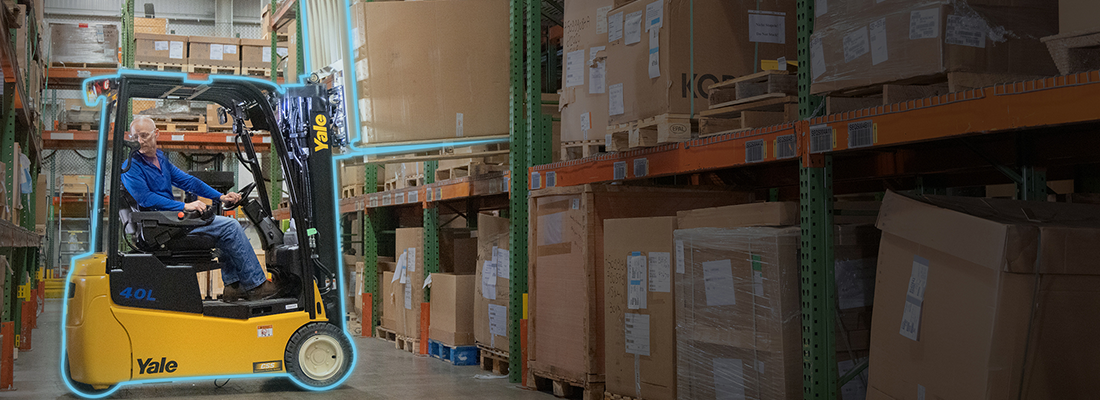
Lithium-ion technology has quickly become one of the most important advancements in modern material handling equipment. Compared to traditional lead-acid batteries, lithium-ion batteries offer faster charging, longer runtimes, and significantly lower maintenance requirements. As more warehouses move toward electric fleets, understanding how lithium-ion batteries work can help you choose the right equipment, optimize your charging strategy, and increase your overall productivity.
Why Lithium-Ion? Consistent Power and Improved Uptime
A major advantage of lithium-ion batteries in forklifts is their ability to deliver consistent power from the beginning of the shift to the end. Unlike lead-acid batteries, which lose performance as voltage drops, lithium-ion technology maintains strong, steady output. This translates into better acceleration, improved lift responsiveness, and smoother operation during long shifts or higher sustained voltage provides less wear on electrical trucks. For facilities that run continuous or multi-shift operations, eliminating productivity dips is an immediate performance upgrade.
Lithium-ion batteries also support opportunity charging, allowing operators to plug in during breaks, lunch, or shift transitions without damaging battery health. These short charging windows help keep trucks running longer without needing spare batteries or large change-out rooms.
Lower Maintenance and Reduced Downtime
One of the biggest differences between lithium-ion and lead-acid batteries is the maintenance required. Lead-acid batteries need regular watering, equalizing, and controlled charging schedules. Lithium-ion batteries remove nearly all of that labor. With no watering, venting, or corrosion issues to manage, your maintenance routines become simpler, and your risk of battery-related downtime decreases. This creates predictable performance for operators and gives your team more time to focus on core warehouse tasks.
Common maintenance advantages include:
- No watering or fluid checks
- No equalizing charges
- Greatly reduced risk of acid spills or corrosion
- Longer battery lifecycle compared to lead-acid
For help building a maintenance plan for your fleet, the Alta Material Handling parts and services team can support inspections, diagnostics, and long-term service strategies.
Safety, Charging Efficiency, and Workplace Benefits
Lithium-ion batteries improve safety by eliminating common risks associated with lead-acid power sources. There are no fumes, no hazardous off-gassing, and no specialized ventilation needed for charging rooms. This supports cleaner, safer indoor environments and reduces compliance concerns surrounding chemical handling. Operators can plug in quickly and safely using smart charging systems that reduce mistakes and eliminate the need for battery swaps.
Charging efficiency of lithium-ion is the reduction of AC power needed to recharge the battery. Lithium-ion offers a better charge expectancy than traditional lead-acid batteries. Improved charge efficiency reduces electrical energy waste and lowers electrical cost to recharge the battery.
Battery Technology, Telematics, and Long-Term Fleet Planning
Advanced Monitoring and Smarter Fleet Management
Lithium-ion forklift batteries are equipped with built-in battery management systems designed primarily to ensure safe operation. These systems continuously monitor temperature, charge cycles, state of health, and voltage balancing to detect any abnormal conditions. If unsafe conditions are identified, the smart technology will automatically shut down the equipment to prevent potential hazards and protect both operators and battery components. In addition to improving safety, the system also provides valuable data that can help your team monitor battery performance, plan maintenance, and maintain uptime across shifts and departments.
Scalability for Multi-Shift and High-Demand Environments
Fast charging and consistent performance make lithium-ion a strong fit for high-throughput warehouses, food and beverage operations, manufacturing plants, and any facility that cannot afford downtime. By eliminating battery watering stations and large storage areas for charged and discharged packs, you can reclaim floor space and streamline warehouse layouts. If you need help planning a fleet transition or facility redesign, Alta Material Handling specialists can guide charger placement, workflows, and equipment selection.
Cost Considerations, Financing, and Next Steps
While lithium-ion batteries come with a higher upfront cost, the lifetime savings from reduced maintenance, longer battery life, charging efficiency, and improved productivity often outweigh the initial investment. Many businesses see a strong return on investment within a few years, especially if they operate multiple shifts or depend on tight production schedules. There may also be local utility incentives available for electrification projects that include lithium-ion battery adoption.
Learn more about our entire battery selection and how our Lithium-Ion Batteries enhance your lift trucks!