Creating a Culture of Safety in Your Warehouse
March 9, 2026
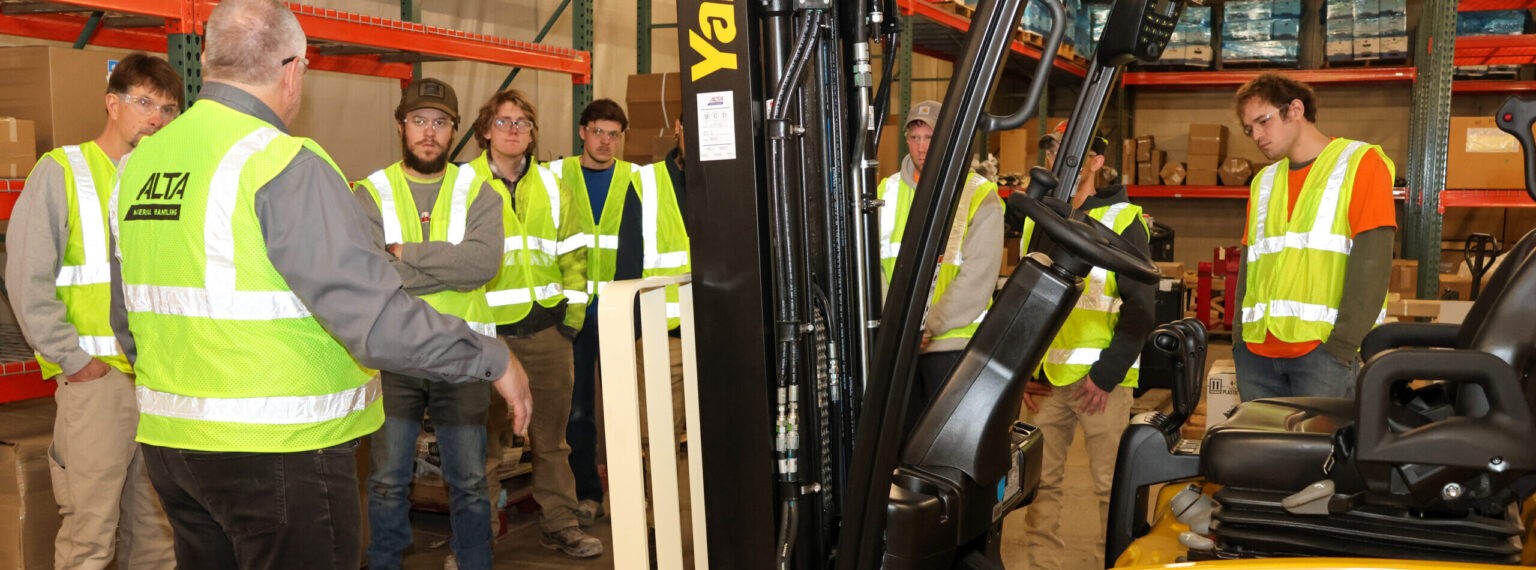
Safety in a warehouse is much more than following rules or checking boxes during inspections. The most productive operations view safety as part of their identity. This is a shared mindset that guides how people move, communicate, and work together every day. When employees feel responsible for their own safety and the safety of others, accidents drop, productivity rises, and the entire warehouse becomes more predictable. This guide explores how to build that kind of safety culture and where to start if you’re looking to strengthen your operation for the long term.
Make Safety a Leadership Priority
A strong safety culture begins with leaders like supervisors, shift managers, and warehouse directors who set expectations and demonstrate safe behavior themselves. When leadership treats safety as a core value rather than a reaction to incidents, employees follow that example. This means consistent communication, regular walkthroughs, and visible involvement in daily safety routines. When employees see managers wearing PPE, reinforcing procedures, and taking concerns seriously, safety becomes a shared mission instead of a rule set.
Build Training into Everyday Operations
Training shouldn’t only happen during orientation or after an incident. High-performing warehouses turn safety into a continuous learning process. Short refreshers at the start of each shift, peer-to-peer coaching, and hands-on demonstrations keep safety top of mind. This approach makes employees more confident and reduces the chance that someone takes shortcuts under pressure.
Modern tools also make training easier. Many electric and robotic forklifts now include onboard assist features, inspection checklists, and telematics that reinforce safe operation in real time. If you’re exploring new equipment or attachments that support safer operation, explore our current inventory.
Create Clear, Reliable Communication Channels
Warehouses move quickly, and safety depends on communication that’s immediate and easy to understand. Visual cues like floor markings, aisle labels, blue spotlights, and overhead signage help guide movement patterns and warn pedestrians of forklift traffic. Radio systems or headset communication can also prevent misunderstandings in noisy environments.
Beyond equipment, employees must feel comfortable speaking up. When team members can report hazards, suggest improvements, or flag near misses without fear of blame, you gain valuable visibility into potential risks before they turn into incidents.
Eliminate Barriers That Make Safe Choices Hard
Employees should not have to choose between productivity and safety. If your workflow makes safe operation difficult with crowded aisles, poor lighting, outdated forklift technology, accidents become more likely. A culture of safety thrives when warehouse design, equipment selection, and daily processes all support safe decisions.
Solutions like improved racking layouts, well-marked pedestrian zones, and forklifts with vision-assist cameras or stability controls help remove obstacles that get in the way of safe work. For facilities upgrading their fleet, the Alta Material Handling warehouse design team can help recommend equipment enhancements or replacements that boost safety and uptime.
Reward Safe Behavior, Not Just High Output
Employees pay attention to what leadership rewards. If the only recognition comes from speed or volume, workers may feel pressured to take risks like running too fast, cutting corners on inspections, or pushing equipment beyond safe limits. Recognizing safe behavior builds the opposite effect. Shout-outs, milestone achievements, team-based incentives, and positive reinforcement help make safety feel like a collective win.
Audit, Improve, and Adapt Over Time
A culture of safety isn’t something your warehouse “finishes”—it evolves as your workforce, equipment, and workflow change. Regular audits help track improvement, identify risks, and adjust procedures before issues grow. Reviewing near misses, equipment data, and telematics insights can reveal patterns that aren’t obvious day to day.
Strengthening Safety Starts with the Right Support
Creating a culture of safety means treating safety as a shared commitment, not a checklist. With engaged leadership, consistent training, reliable equipment, and open communication, your warehouse becomes safer, more resilient, and more productive. If you’re ready to evaluate equipment, improve workflows, or get recommendations tailored to your facility, reach out through our contact page. Together, we can build a safer environment for every shift in your warehouse.