Mezzanines 101: How to Add Usable Warehouse Space Without a Building Expansion
September 22, 2026
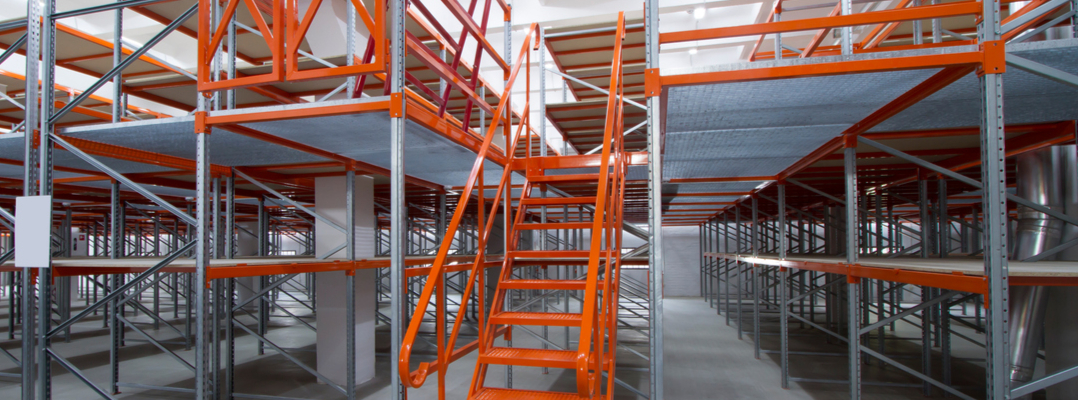
Businesses throughout the Northeast, including warehouse facilities, often need additional storage space. Unfortunately, it’s often cost-prohibitive to expand an existing building. Mezzanine warehouse storage solutions offer the opportunity to expand existing space without the need to relocate or physically extend your current operating base.
With warehouse mezzanines, business operations gain the benefit of a space-saving structure that makes it possible to make the most of existing vertical space. Often unused, this overhead space can be converted into valuable space through the implementation of a mezzanine platform. Appropriate for a variety of industries in the Northern Midwest, including Quebec and Ontario, mezzanine solutions make it possible to optimize space, enhance efficiency, and improve storage. If you have ever wondered how to maximize warehouse space, warehouse mezzanine systems are just the solutions you have been seeking.
What Are Warehouse Mezzanines?
Warehouse mezzanines take advantage of the opportunity to utilize vertical overhead space, which is frequently unused, and convert it into usable space through the installation of an elevated platform. Installed directly between the ceiling and the floor, a warehouse mezzanine is a cost-effective way to increase space without the need to expand your facility’s current footprint.
Types of Warehouse Mezzanines – Understanding Available Options
Different types of businesses and warehouses have different needs and layouts. To meet those diverse needs, there are different options available for warehouse mezzanines. Structural steel mezzanines are an ideal choice for facilities that need to store hardware, electronic products, or even use the extra space for offices. The load-bearing capacity of this mezzanine solution offers ample flexibility for diverse applications.
Rack-supported warehouse mezzanines consist of the floor and adjustable racks for scalable usability. This design is ideal for use in numerous types of industries, including electronics, auto parts, and clothing warehousing.
Modular mezzanines offer a prefabricated warehouse solution that can be expanded or reconfigured as facility needs change. As a result, these warehouse mezzanine systems are particularly suitable for facilities that anticipate growth in the near future or inventory levels that tend to fluctuate.
Shelf-supported mezzanines take advantage of existing shelving units to maximize vertical space. They are best suited for e-commerce and retail applications that need to store and access relatively small products.
Benefits of Warehouse Mezzanines
Mezzanine solutions offer a wealth of benefits, including space optimization. With a carefully planned warehouse mezzanine solution, it’s possible to create additional space while also optimizing existing space.
Through vertical expansion, warehouses can gain the space they need while making the most of space already owned; this is a much more cost-effective solution than expanding outward or acquiring additional property.
Warehouse mezzanines also offer the benefit of improved efficiency and workflow. When strategically placed, a warehouse mezzanine delivers the advantage of enhanced inventory management and more efficient warehouse operations. This is particularly true of rack-supported mezzanines.
With the right warehouse layout optimization, businesses can also benefit from scalability and flexibility. Rapidly expanding businesses often require warehouse solutions that are both scalable and flexible to meet changing needs. This is precisely what a warehouse mezzanine provides. Available fully assembled, these structures can be configured in a variety of ways and can even be reconfigured to fit a facility’s expanding needs.
Factors to Consider for Warehouse Layout Optimization with a Mezzanine
When planning for the installation of a warehouse mezzanine, it’s important to take a variety of factors into consideration. Among the most important of those factors are weight distribution and load capacity. Both factors are critical to avoid structural failure, which could result in loss of life and property.
Other important factors to consider include the operation of the warehouse, which will affect the installation process. To ensure the mezzanine is safe while remaining accessible, a variety of safety features are often utilized, including guardrails, stairs, handrails, and safety gates. As is the case with any addition to an existing building, it is always important for mezzanines to follow local building codes and regulations.
Other important factors that should be taken into consideration when planning for a mezzanine include anticipated need for expansion and financial constraints
Conducting Initial Surveys for Warehouse Mezzanine Additions
Before the installation of a new warehouse mezzanine, an initial site survey is typically performed. This survey includes taking measurements of the current facility and analyzing designated spaces where the new mezzanine will be installed. The assessment process will also include selecting a design focused on learning how to maximize warehouse space that already exists in that specific facility, and necessary structural requirements.
If you want to know more about how to maximize warehouse space with warehouse mezzanines, Alta Material Handling can help with customizable mezzanine solutions in Michigan, Northern Indiana, Illinois, Virginia, Rhode Island, New England, New Hampshire, Vermont, New York, Massachusetts, Maine, Connecticut, Quebec, and Ontario. Connect with one of our locations to learn more about our warehouse design and planning services.
Frequently Asked Questions
What is the installation timeline and process for warehouse mezzanine systems?
The first step of the process is the site inspection and preparation. Once the area is cleared, it is then important to ensure that the foundational structures are adequately prepared to provide necessary support. The amount of time required to assemble a warehouse mezzanine platform varies based on the complexity of the project and the size of the structure.
Will regular operations be interrupted when implementing a mezzanine solution?
Some disruptions are unavoidable; however, careful planning can help to mitigate downtime for a facility. In some cases, it may be necessary to schedule installation of a mezzanine during off-peak hours.
How much weight can a mezzanine platform handle?
As part of the process of planning for a warehouse mezzanine solution, necessary weight limits and weight distribution are discussed in depth, as all facilities and their needs vary. Once those limits have been established, it is important that the specified load capacity is never exceeded.
What is the best way to maintain a warehouse mezzanine?
Regular inspections are crucial in maintaining mezzanine warehouse storage. Ideally, such inspections should be conducted monthly.