Top Warehouse Bottlenecks and How to Fix Them
May 13, 2026
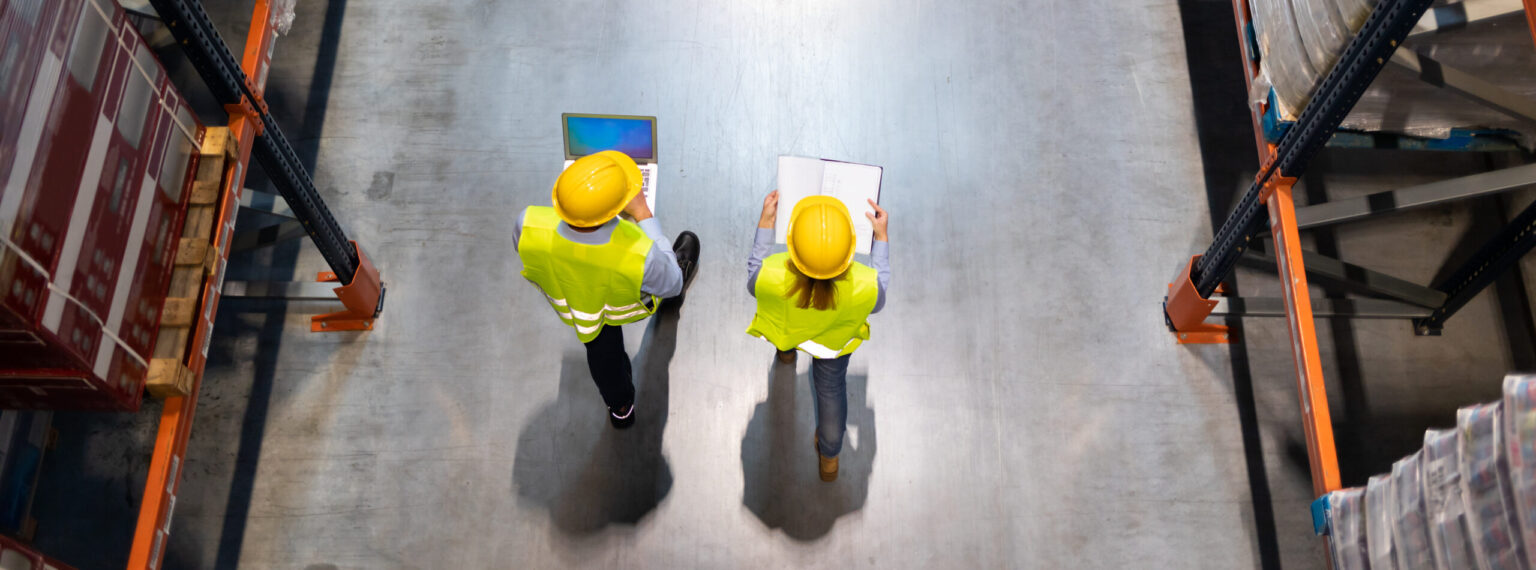
Warehouse operations rely on dozens of interconnected processes, from receiving shipments to storing inventory and fulfilling customer orders. When one step slows down, the effects can ripple throughout the facility, creating delays, increasing labor costs, and reducing customer satisfaction. Understanding the top warehouse bottlenecks is the first step toward identifying opportunities for warehouse process improvement and long-term operational success.
Whether you manage a distribution center in Detroit, Grand Rapids, Chicago, Fort Wayne, Richmond, Albany, Boston, or another location across Alta Material Handling’s service territory, these common challenges often have practical solutions.
1. Receiving Delays Create a Domino Effect
Every warehouse operation starts at the receiving dock. If inbound shipments are delayed, unloaded slowly, or entered into inventory late, every downstream process can suffer. Put-away tasks are postponed, inventory becomes temporarily unavailable, and order fulfillment may slow before the workday has even begun.
Improving this area often starts with evaluating the receiving process itself rather than simply adding more labor. Some practical strategies include:
- Scheduling inbound deliveries whenever possible
- Standardizing receiving procedures across shifts
- Using barcode scanning to reduce manual data entry
- Staging incoming materials before they enter storage
Even modest improvements at the receiving dock can positively affect the rest of the warehouse.
2. An Inefficient Warehouse Layout Wastes Time Every Day
An inefficient warehouse layout rarely creates one major problem. Instead, it creates hundreds of small inefficiencies throughout the day. If employees or forklifts constantly travel long distances, cross busy traffic lanes, or return repeatedly to the same storage locations, those extra minutes quickly become hours of lost productivity each week.
Warehouse managers should periodically evaluate whether their current layout still reflects how inventory actually moves. Facilities that periodically review their layouts often uncover simple adjustments that support better warehouse process improvement without requiring major renovations.
3. Order Picking May Be Your Biggest Productivity Opportunity
Order picking often represents one of the largest labor investments inside a warehouse. Even small improvements can have a meaningful effect on throughput. Instead of asking employees to simply work faster, many organizations focus on reducing unnecessary movement and simplifying the picking process.
| Common Challenge | Potential Improvement |
| Long travel distances | Re-slot frequently picked inventory closer to shipping |
| Multiple trips for similar orders | Use zone or batch picking methods |
| Frequent picking errors | Add barcode verification or scanning technology |
| Congested picking areas | Reevaluate aisle organization and traffic flow |
Looking for opportunities to eliminate unnecessary steps is often more effective than trying to increase employee speed.
4. Inventory Inaccuracies Slow Every Department
Inventory problems don’t just affect warehouse personnel. Purchasing, customer service, production scheduling, and shipping all depend on accurate inventory data. When inventory records don’t match what is actually on the shelves, employees spend valuable time searching for products, correcting errors, or delaying shipments.
Improving inventory flow optimization often starts with consistency rather than technology alone. Routine cycle counts, standardized receiving procedures, and clearly defined inventory locations can all contribute to better inventory accuracy over time.
Reliable inventory information also allows managers to make more confident purchasing and planning decisions.
5. Equipment Downtime Can Bring Operations to a Standstill
Forklifts and other material handling equipment keep warehouse operations moving. When critical equipment unexpectedly goes out of service, productivity can decline quickly. Rather than waiting for breakdowns to occur, many facilities focus on preventive maintenance as part of their strategy to reduce warehouse downtime.
This may include:
- Following recommended maintenance intervals
- Performing daily operator inspections
- Addressing minor repairs before they become major issues
- Reviewing fleet utilization to identify overworked equipment
A proactive maintenance program can often improve equipment availability while reducing unexpected interruptions.
6. Outdated Warehouse Management Systems Limit Visibility
Technology continues to play an increasingly important role in warehouse operations. Older systems may still function, but they often provide limited visibility into inventory, labor performance, or workflow bottlenecks.
Technology should support good warehouse processes, not replace them. When paired with well-designed workflows, updated systems can provide valuable insights for continuous improvement.
Keep Your Warehouse Moving Forward
Warehouse efficiency is rarely improved through a single large change. Instead, the biggest gains often come from identifying recurring bottlenecks, evaluating existing processes, and making targeted improvements over time.
If your warehouse improvement efforts include evaluating material handling equipment, replacement parts, or maintenance strategies, we can help. Browse our online resources or connect with Alta Material Handling directly to discuss your operational goals and available options.
FAQs
What are the most common warehouse bottlenecks?
Some of the most common warehouse bottlenecks include receiving delays, inefficient warehouse layouts, order picking inefficiencies, inventory inaccuracies, equipment downtime, poor labor allocation, and outdated warehouse management systems.
How can I improve warehouse efficiency?
Improving warehouse efficiency starts with evaluating where delays occur most often. Reviewing receiving procedures, warehouse layout, inventory accuracy, labor allocation, and equipment maintenance can help identify opportunities for improvement.
Why is warehouse workflow optimization important?
Warehouse workflow optimization helps reduce unnecessary movement, improve productivity, support more accurate inventory management, and create more consistent order fulfillment.