Why Switch from Propane to Electric Forklifts
October 5, 2025
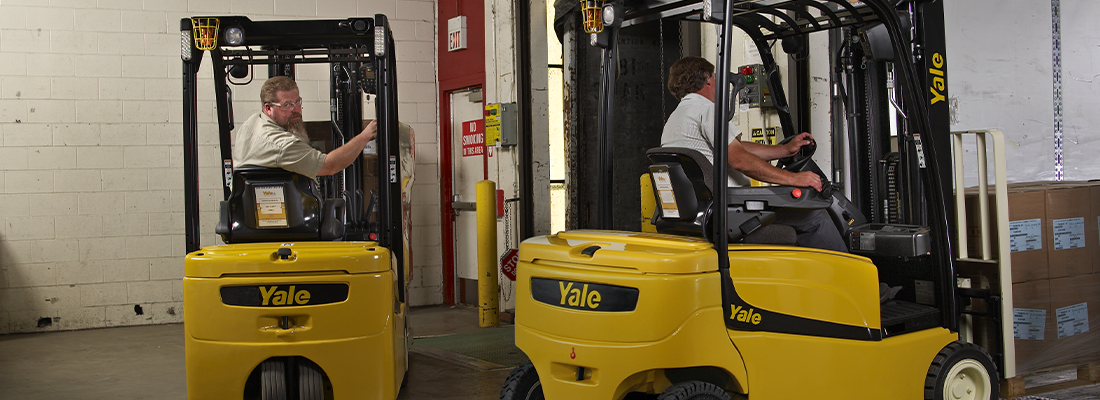
Many facilities that rely on propane forklifts are taking a closer look at electric lift trucks. With rising fuel costs, stricter indoor air quality expectations, and growing pressure to improve sustainability, electric forklifts offer a practical way to modernize your fleet. This overview explains the main reasons companies are making the switch, including cost savings, performance benefits, and how Alta Material Handling can help you plan a smooth transition.
Operational Performance and Indoor Comfort
Modern electric forklifts deliver consistent power throughout the shift, with smooth acceleration and precise control that operators notice right away. Electric motors provide instant torque, which helps with tight maneuvering, controlled lifting, and accurate pallet placement in narrow aisles or high racking. Because there is no combustion engine, electric forklifts also produce less vibration and heat, which helps reduce operator fatigue over long shifts and creates a more comfortable work environment on busy days.
For indoor warehousing and distribution, the benefits go beyond comfort. Electric forklifts run without exhaust emissions, which supports better air quality and helps reduce the strain on facility ventilation systems. Noise levels are also significantly lower compared to propane units, making it easier for operators and pedestrians to communicate in high traffic areas.
Why Switch to Electric? Lower Operating and Maintenance Costs
Although propane forklifts can appear more affordable at the point of purchase, many businesses find that electric units offer a stronger return over the full life of the equipment. Fuel is a major factor. Propane tanks require constant deliveries, storage, and changeouts, and the cost per operating hour adds up quickly for busy fleets. Electricity is typically less expensive per hour of use, especially when you run multiple shifts or have a high utilization rate across your trucks.
Maintenance is another key driver of savings. Electric forklifts have fewer moving parts than internal combustion models, which generally results in less unplanned downtime and lower annual service costs. Common savings come from:
- No engine oil or filter changes
- No spark plugs, belts, or exhaust components
- Reduced brake wear thanks to regenerative braking
- Fewer fluid leaks and related cleanup issues
Why Switch to Electric? Sustainability, Safety, and Compliance
Many companies are also shifting to electric forklifts as part of broader environmental, social, and governance goals. Electric units produce zero exhaust emissions at the point of use, which directly supports cleaner indoor environments and can help facilities respond to stricter safety expectations from employees, customers, and regulators. For operations that handle food, medical products, or sensitive goods, the ability to operate cleanly indoors is a meaningful advantage when compared with propane-powered units.
From a safety standpoint, removing propane tanks from the day-to-day routine also simplifies certain risk considerations. There is no need to store full and empty cylinders, manage tank changes during peak activity, or address propane odor concerns on the floor. Combined with quieter operation and better communication between team members, electric forklifts can play an important role in building a safer, more predictable warehouse environment.
Why Switch to Electric? Battery Technology, Uptime, and Fleet Flexibility
Shift Coverage and Charging Options
Advances in battery technology have made it easier to rely on electric forklifts for full shift coverage. Traditional lead-acid batteries, when paired with proper charging schedules, can comfortably support single shift operations. For multi-shift facilities, lithium-ion batteries offer faster charging, opportunity charging during breaks, and longer cycle life that reduces the need for battery change rooms or spare packs. With the right planning, your team can keep trucks available when they are needed most while keeping charging infrastructure organized and safe.
Fleet Management and Planning
Many electric forklift models integrate seamlessly with modern telematics and fleet management tools, giving you better visibility into usage patterns, impacts, fault codes, and battery health. This data can help guide decisions on when to rotate units, schedule service, or add rentals during peak seasons.
Budgeting, Financing, and Next Steps
The upfront investment to move from propane to electric can feel significant, especially when you consider chargers and potential changes to your facility layout. The long-term savings from reduced fuel, lower maintenance, and improved uptime often offset that initial cost within a few years, particularly in high-utilization operations. In addition, there may be opportunities to take advantage of utility rebates or local incentives that support electrification of material handling equipment.
Alta Material Handling can help you review the total cost of ownership, evaluate model options, and explore payment structures that fit your budget. Flexible financing solutions are available through Alta financing, including leases and custom plans designed for fleet upgrades and phased conversions. When you are ready to talk through your options, you can reach out directly through our contact page, and our team will help you plan the best path from propane to electric for your facility.